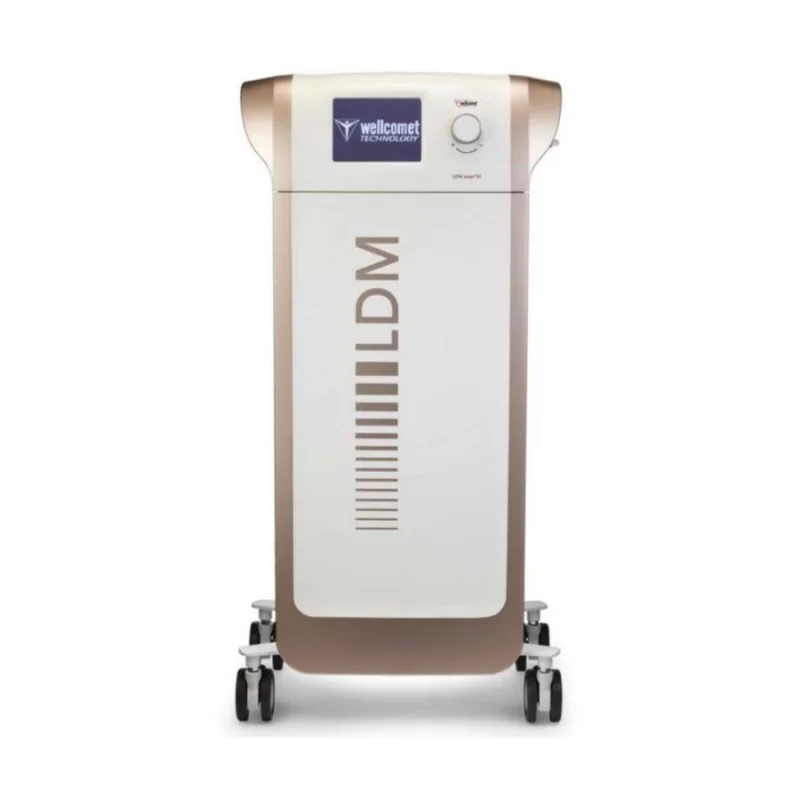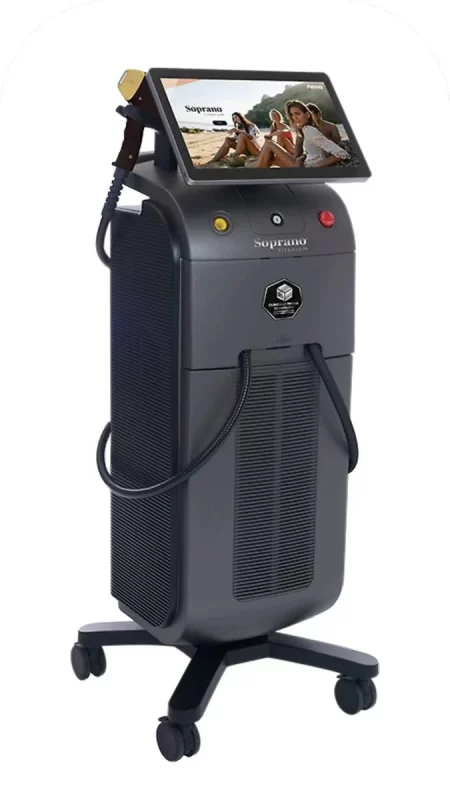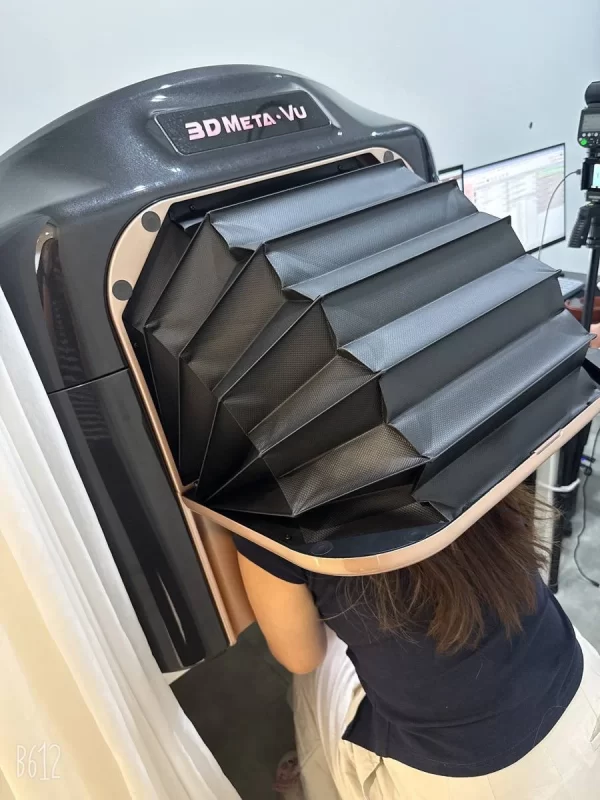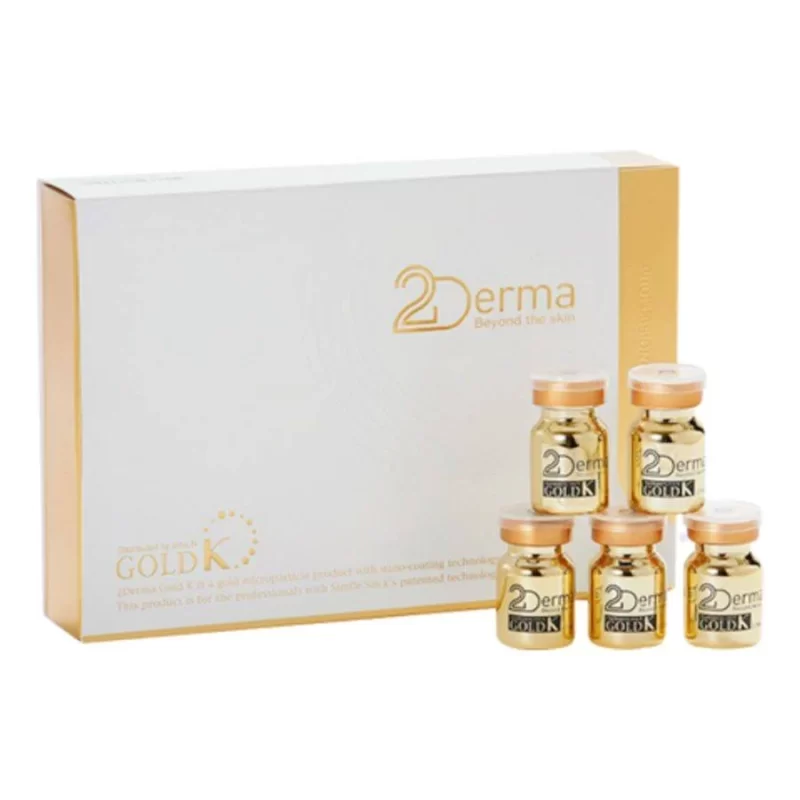
Gold PTT generally refers to a photothermal therapy approach that uses gold-related microparticles combined with specific light irradiation, and it can be found in acne research and clinical projects. It is not an injection of gold into the skin, nor is it equivalent to photodynamic therapy or gold microneedling. Whether it is suitable depends on first assessing the type, severity of acne, and previous treatments.
What does the 'photothermal' in Gold PTT mean?
PTT is the English abbreviation for photothermal therapy. Related regimens use microparticles to absorb light energy and then produce a thermal effect, with research focusing on its effect on structures related to the pilosebaceous unit. The specific materials, supporting light sources, and implementation procedures may vary; one cannot assume all regimens are the same based solely on the term 'gold microparticles'.
This is a treatment approach that requires professional assessment and operation. Do not confuse everyday gold-containing skincare products with medical regimens, and do not attempt to use unknown microparticle products you have purchased yourself with at-home light therapy devices.
| Name | Main differences |
|---|---|
| Gold PTT | The main approach is the thermal effect generated by microparticles absorbing light; the materials and light source need to be verified. |
| Photodynamic therapy (PDT) | Uses photosensitizers combined with specific light irradiation, and its mechanism of action is different from PTT. |
| Gold microneedling or radiofrequency microneedling | Acts on tissue through microneedles and radiofrequency energy, and is not gold microparticle photothermal therapy. |
| Acne medication treatment | Topical or oral medications are used according to the condition, with selection and follow-up arranged by a doctor. |
Can it replace all acne medications?
That is not the correct understanding. Acne involves multiple factors such as follicular keratinization, sebum, microorganisms, and inflammation, so the regimen needs to address the specific condition. Focusing only on sebum secretion may overlook significant inflammation, nodules, or the risk of scarring.
Existing studies have explored gold microparticle photothermal therapy, but there are differences in sample size, enrolled populations, materials, supporting light sources, and follow-up duration; there are also studies on its combined use with other treatments. Therefore, the results of one study cannot be directly applied as an effectiveness guarantee for all Gold PTT regimens, let alone a promise of a one-time cure.
During the consultation, mention these things first
Whether the main issues are blackheads and whiteheads, red papules and pustules, or deep, painful nodules.
How long the breakouts have been recurring, the common areas, and whether new indentations or obvious scarring are developing.
What medications you have used in the past, how long you used them, why you stopped, and whether you experienced any intolerance.
Current use of acids, retinoids, oral medications, and any other recent energy-based treatments.
Whether you have dermatitis, broken skin, discomfort after sun exposure, and the follow-up time you can arrange.
If a doctor recommends Gold PTT, you should further clarify its role in the overall treatment plan: whether it is mainly for treating a certain type of inflammatory lesions, or part of a combination regimen. Do not stop taking your existing prescription medications on your own just because you have booked the procedure.
Why does 'reduced oil production' not mean acne will never come back?
The number of pimples, degree of inflammation, pain, new scarring, and oiliness are different observation indicators. A short-term reduction in oiliness after treatment alone does not prove that the condition is under long-term control. You may still need to adjust your skincare routine or continue medical treatment afterward.
Follow-up visits can record new lesions in the same area, their duration, and changes in discomfort. If inflammation continues to worsen or scarring keeps forming, the treatment plan should be reassessed instead of just repeating the same procedure according to the number of sessions in a package.
What changes need to be observed after treatment?
Photothermal-related treatments may cause redness, swelling, pain, or irritation, and attention should also be paid to thermal damage and pigment changes. Recovery arrangements should be based on the actual device and skin reaction; obvious blistering or progressively worsening pain should not be dismissed as normal 'detoxification'.
After treatment, follow your doctor's instructions for gentle cleansing, moisturizing, and sun protection, and confirm when to resume using acid products, retinoids, and other treatments. If you experience progressively worsening redness, swelling, oozing, or significant pain, contact your doctor promptly.
Frequently Asked Questions
Will Gold PTT leave gold permanently in the face?
You cannot infer this from the name alone. Confirm the specific materials, usage method, and relevant product instructions with the clinic; it is not the same as gold filler injections.
Is it definitely suitable for people with lots of closed comedones?
Not necessarily. The type of skin lesions must first be assessed, then the suitability of medications, skincare, and other treatments can be compared.
Do I no longer need to continue using medication after the treatment?
Whether to adjust medications should be decided by a doctor; do not stop or change medications on your own.
How many sessions are needed to see results?
There is no fixed number of sessions that works for everyone. Whether to continue should be decided based on the actual treatment plan and periodic follow-up reviews.
B: The AID official website lists Gold PTT services. When you visit the clinic, you can bring recent photos of your skin lesions and your medication history, so that the doctor can first explain your condition before discussing whether to add photothermal therapy to your plan.