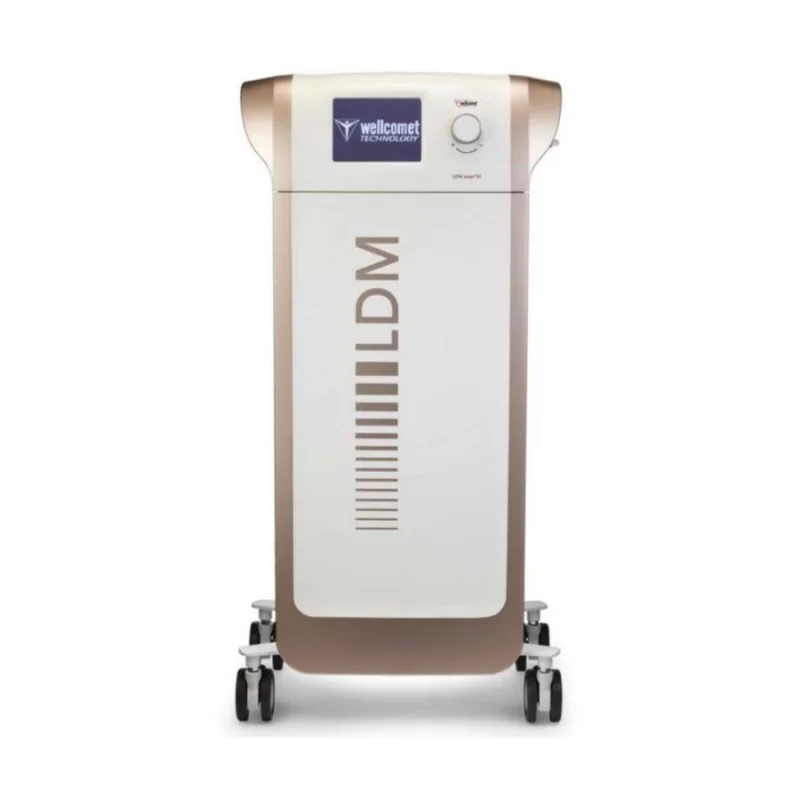
LDM and aqua glow injections are not the same treatment. LDM uses an ultrasound device on the skin; "Water Drop Lift" is its common commercial name. Aqua glow injections, by contrast, deliver specific materials into the skin through injection. Similar names do not mean they share the same mechanism, intended goals, or recovery process.
What is LDM, and why can't we go by just the words "water drop"?
LDM-related devices use ultrasound technology at different frequencies, with specific modes depending on the product line and settings. LDM itself does not inject water or hyaluronic acid into the skin. The medium that contacts the skin during treatment and whether any other care is combined with it should also be confirmed separately.
Names like "water drop," "repair," and "lift" are easy to remember, but they cannot fully describe the actual effect. During consultation, you should frame your goals as specific concerns—such as tightness and discomfort, surface dryness, or a desire to improve a certain type of texture—and then discuss whether device-based care can help.
| Comparison items | LDM | Aqua glow injection |
|---|---|---|
| Method of delivery | Uses an ultrasound device; usually does not involve injection. | Involves needling and specific injectable materials. |
| Plan checklist | Device model, mode, contact medium, and whether other procedures are combined. | Product name, ingredients, specifications, injection site, and practitioner. |
| Recovery considerations | The skin's baseline condition and combined procedures affect tolerance. | Additional factors include needle marks, swelling, bruising, and injection-related risks. |
Is LDM the same as HIFU (ultrasound facelift)?
No, they are not the same. Just because both use ultrasound does not mean they have the same focusing method, energy distribution, or treatment goals. You should not assume LDM is exactly equivalent to focused ultrasound lifting just because the word "lift" appears in its name.
If your main concern is noticeable tissue sagging, deep contour changes, or volume loss, you should first identify the cause. Improved skin feel or temporary better appearance after care does not directly prove that deep tissues have received the same degree of lifting.
When skin is dry, which one should I choose first?
First, distinguish between ordinary feelings of dehydration and discomfort accompanied by inflammation. If you have persistent redness, stinging, peeling, or a burning sensation as soon as you apply products, you should first evaluate the cause. Simply attributing the problem to "lack of hydration" may overlook conditions such as irritant dermatitis.
For people with stable skin who still want to improve their skin texture, the benefits and costs of daily care, device-based care, and injections can be compared under a doctor's guidance. Being willing to accept needling does not mean injections are necessary; being unwilling to have injections also does not mean a single non-invasive device can replace all treatments.
Is it appropriate to schedule LDM right after laser treatment or injections?
LDM should not be treated as a mandatory step after every procedure. Whether the laser caused surface damage, the injection site and material, the current degree of swelling, and requirements for contact and pressure may all affect scheduling. This should be judged comprehensively by the treating physician.
Confirm whether the care area overlaps with the recently treated site.
Ask whether you need to wait for the skin to recover and what specific signs to watch for.
Check the gel or other products used for the care, and disclose any history of previous intolerance.
If redness, swelling, or pain gradually worsens during recovery, seek medical evaluation first instead of masking symptoms with care procedures on your own.
When consulting about cost, what should I compare?
The cost of one LDM session should be understood in light of the device, care duration, treatment area, and whether other procedures are included. For aqua glow injections, it also depends on the material brand, specifications, and dosage. Even if both types of procedures are labeled "full face," the actual service content may not be the same.
The number of treatment sessions should be adjusted based on your specific goals and how your skin responds each time. It is better to first confirm the single-session plan, how to monitor results, and what to do if expected outcomes are not met, rather than directly purchasing a long-term package at the lowest per-session price—this makes it easier to judge the true value.
Frequently Asked Questions
Will LDM leave needle marks?
Standalone LDM ultrasound treatments usually do not cause injection needle marks; if combined with other procedures, recovery effects should be discussed separately for each.
Can LDM treat all types of sensitive skin?
No. Sensitivity symptoms can have different causes and require a proper diagnosis first—standard skincare treatments cannot replace medical treatment for underlying conditions.
Is it better to do LDM as frequently as possible?
No. Treatment frequency should be determined based on your goals, skin tolerance, the specific device mode being used, and any other treatments you are scheduling.
If I've already had a hydra facial injection, do I still need LDM?
Not necessarily. Adding another treatment should have a clear purpose, and you should evaluate the time commitment and additional benefits first.
B:AID's official website lists LDM and various types of hydra facial-related treatments. When consulting, please share the symptoms that concern you most, your comfort level with needle-based procedures, and your schedule, so the doctor can explain the available options accordingly.