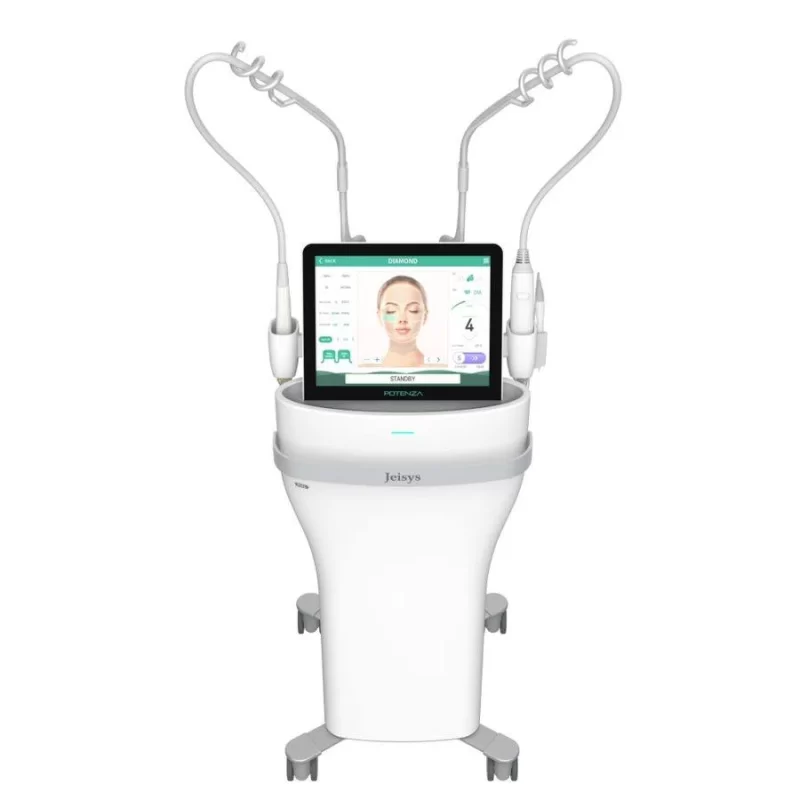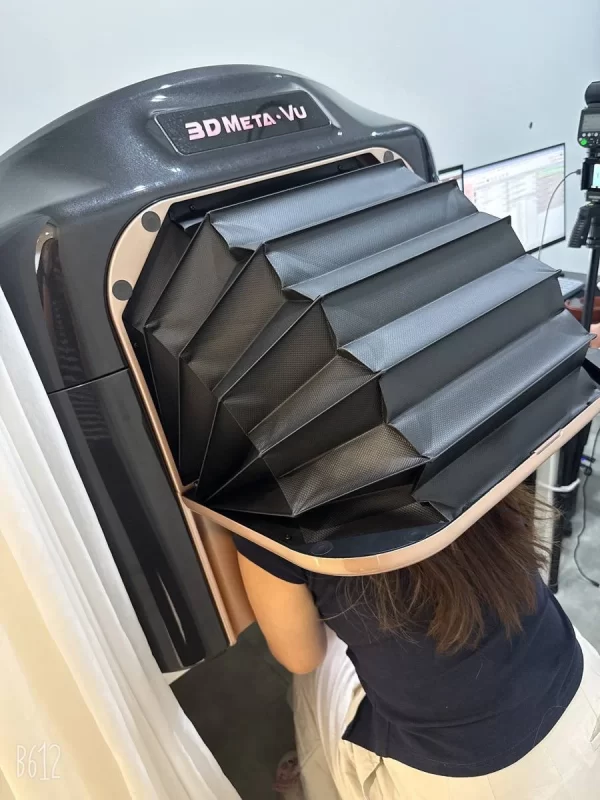
Meta Vu skin analysis helps record skin appearance and facial contours, providing supplementary information for doctors to observe and make before-and-after comparisons. The colors, scores, or "skin age" in the report cannot independently diagnose disease, nor can they directly determine which treatments to undergo.
When reading the report, first ask "What actual issue does this result correspond to?", then ask "Does it need to be treated?". Finding differences in the images does not mean there is an abnormality that requires treatment.
3D What kind of reference does Meta-Vu mainly provide?
3D Meta-Vu is a skin and facial imaging device that can capture images under different lighting conditions and provide functions such as contour, dimension, and image comparison. Multi-light-source images help highlight different appearance features, while 3D imaging makes contour-related discussions more intuitive. The specific items available for viewing depend on the device configuration and the software used.
Pigmentation, redness-prone areas, surface texture, and facial shape are issues at different levels. Even if they appear in the same report, they need to be interpreted separately, and a single overall score cannot summarize overall skin health.
| Report information | How to understand it |
|---|---|
| Images of pigmentation, redness, etc. | They help locate observation areas; the cause still needs to be determined in combination with medical history and skin examination. |
| Texture, contour, or dimensions | They serve as a record of current appearance; they do not directly equate to the need for treatment. |
| Scores, rankings, or skin age | These are calculated results of specific software; they should not be directly compared across different devices. |
| Improvement or aging simulation images | They are illustrations for communicating expectations; they are not personal effect predictions or guarantees. |
Why can't a single test replace an in-person consultation?
Facial redness, for example, may be related to different conditions such as environmental irritation, dermatitis, or rosacea; similarly, dark patches require identification of specific skin lesions. Doctors also need to know when the issue appeared, whether it is itchy or painful, recent medications, and previous treatment history. Photos cannot fully reflect this information.
If a spot has recently changed significantly, bleeds, or persists without healing, you should point it out directly to the doctor and seek further examination if necessary. Do not ignore real-life changes just because the software did not mark them in red.
How to avoid unnecessary interference before the test?
Clean and prepare as required by the staff. Do not use temporary chemical exfoliants or exfoliating products just to get a better score.
Inform the staff if you are wearing makeup, have sunscreen that has not been cleansed off, or if you have just exercised, applied heat, or received a treatment recently.
Maintain the required posture and a natural facial expression; for follow-up tests, try to use the same device with similar settings and imaging conditions.
Bring records of recent skincare, medications, and treatments to help explain your current skin condition.
Whether you need to remove makeup in advance on the day of the test, and how long to wait after cleansing, shall follow the on-site procedures. Do not stop taking medication on your own for the test, nor intentionally sunbathe or stay up late to "show your real skin".
What questions are worth asking after getting the report?
You can ask your doctor to point out one or two issues that most affect your current concerns, and explain which are just appearance differences that only need observation. If treatment is recommended, further clarify what the goal is, which part it can improve, what alternatives are available, and how to judge if it is effective.
For example, if you want to improve dullness in photos, first figure out whether it is caused by uneven skin tone, texture changes from dryness, or the effects of lighting and contour shadows. The more specific the treatment goal, the easier it is to compare results at follow-up, and the less likely you are to be misled by a large number of indicators.
At follow-up, should I compare scores or actual changes?
Both can be used as reference, but priority should be given to changes in the same issue under consistent conditions, as well as your own symptoms and experience. Different lighting, makeup, facial expressions, or software settings will affect comparability. Short-term swelling may also temporarily change contours, so photos taken right after a procedure should not be directly taken as the final result.
Frequently Asked Questions
If the test shows a higher skin age, do I need treatment right away?
You don't have to make a decision based solely on skin age. First confirm what the algorithm means and what issues it corresponds to, then combine that with your doctor's examination and your personal preferences.
Are Meta Vu and Mark-Vu the same device?
They are not the same model. Their imaging structures and functions may differ, so you should verify the actual device being used when making an appointment.
Can the test predict what I'll look like after a treatment?
Simulation images only help communicate the general direction; they cannot accurately guarantee individual treatment results.
Do I have to get re-tested every time I come to the clinic?
Not necessarily. Whether a follow-up test is needed depends on the purpose of this visit, whether previous records are usable, and your doctor's judgment.
B: The AID official website features the 3D Meta-Vu device. When you come for an in-clinic consultation, you can first mention the skin changes that concern you most, then let the doctor explain them alongside the imaging. Whether a test is arranged and the specific process will depend on the appointment and in-person consultation for that visit.