“Titanium lifting” is commonly the name of a procedure in the context of South Korean medical aesthetics; Titanium-based platforms use laser technology, while Thermage FLX uses radiofrequency technology. kJ stands for energy, and the number of shots refers to the number of pulses delivered. The two cannot be directly converted, and the size of the number alone cannot determine which treatment is definitely more effective.
First, distinguish between procedure names, device names, and indications
When you see “Titanium”, “钛提升” (titanium lifting), or “Titanium lifting” when booking, you should further confirm the full device model, the handpiece used, and the purpose of this treatment. A commercial name alone is not enough to explain the entire operation method.
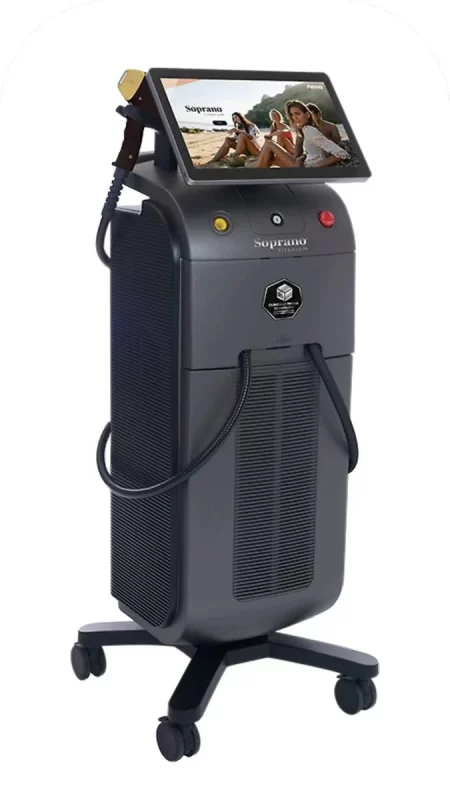
The Soprano Titanium platform features multi-wavelength diode laser technology, and manufacturer documentation also covers hair removal applications. Information or certification for a device for one use does not automatically prove that all its “lifting” claims have undergone the same verification. The applicable scope of the specific model at the treatment location needs to be explained by the clinic.
What should you check for titanium lifting, Thermage, and focused ultrasound lifting respectively?
| Procedure type | Main items to verify |
|---|---|
| Titanium-related plans | Laser device model, handpiece, treatment goal, coverage area, and total energy. |
| Thermage FLX | Radiofrequency platform, probe type, treatment area, number of shots, and personalized settings. |
| Focused ultrasound lifting | Device model, probe and treatment depth, coverage area, and imaging assistance status. |
The three types of devices deliver energy in different ways, so you cannot simply rank them as “which one is definitely deeper or stronger”. Skin tone, tissue thickness, degree of sagging, and previous treatments may all affect the choice. Directly classifying facial hollowing or bony contour issues as “lack of lifting” can also easily lead to unrealistic expectations.
40What does kJ mean? Is a higher number always better?
kJ stands for kilojoule, a unit of energy. In treatment descriptions, it is usually used to express cumulative energy. The same total energy distributed over different areas, with different operation methods, or on different parts cannot be assumed to produce the same local response.
Therefore, when comparing 40kJ with other energy-based treatment plans, first ask whether they cover the same area, use the same device and handpiece, and why the energy needs to be increased or decreased. Total energy is not the same as penetration depth, nor is it the weight of fat reduced, and it is even less equivalent to the number of Thermage shots.
A valuable treatment description should clearly state “which areas are being treated, what improvements are expected, and how risks are controlled”. Adding a single number cannot replace this information.
Which requests need to be reconfirmed first?
Wanting a smaller face: It is necessary to distinguish between fat, muscle, bone, and sagging; you cannot directly attribute all large faces to a need for lifting.
Wanting nasolabial folds to disappear completely: Volume, bony support, and expression factors also need to be evaluated, and energy-based treatments may not address all causes.
Hoping for an immediate visible change in photos on the same day: Short-term changes in skin condition and longer-term results should be discussed separately.
Having recent tanning, active dermatitis, or previous adverse reactions to energy-based treatments: Explain the situation first before evaluating whether treatment is suitable.
How to arrange consultations and travel more realistically?
Bring records of any previous energy-based treatments, fillers, or thread lifts, and note the timing and areas treated. Ask about the sensations you may experience during treatment, how to report excessive heat or pain, and how to contact your doctor if redness, swelling, blistering, or other issues occur after treatment. Cooling designs also cannot guarantee complete painlessness or eliminate the risk of thermal injury.
If you are also planning injections or other energy-based procedures, ask your doctor to explain the necessity, sequence, and observation arrangements for combined treatment. Do not assume that all procedures are suitable to be done in a single day just because your trip is short.
Frequently Asked Questions
Can I choose between titanium lifting and Thermage based solely on price?
First compare the treatment goals and scope, then look at the cost. Plans with different devices, handpieces, and coverage areas may not be directly comparable.
Will titanium lifting definitely remove facial hair?
You cannot judge based solely on the procedure name. You need to verify the device mode and treatment area, and proactively mention any concerns you have about hair changes.
Does no obvious pain mean the energy is insufficient?
No. Sensation is affected by cooling, the treatment area, and individual tolerance. Pain level cannot be used to measure treatment effectiveness.
How long do the results of one session last?
There is no fixed duration that applies to everyone. Results should be evaluated based on your specific goals, treatment settings, and changes observed during follow-up.
The B:AID official website lists Titanium-related procedures. During consultation, you can first mention the area you most want to improve, ask your doctor to explain the device and energy plan they will use, and then decide whether it is suitable for your current trip.