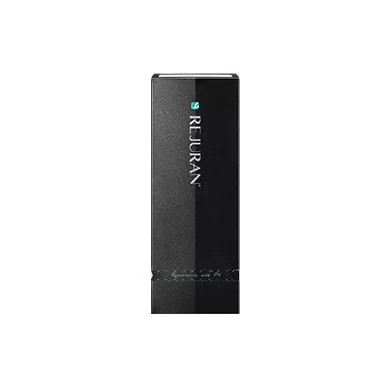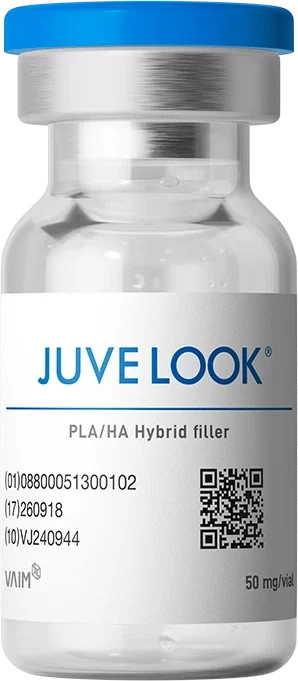
Rejuran and Juvelook are both commonly seen in Korean skin booster injections, skin texture management, or “regenerative” treatments, but they are not the same product, nor can they be judged by which one is “more premium.”Rejuran is centered on PN, while Juvelook is made up of PDLLA and HA; the two differ in material, treatment design, pace of results, and the risks that need attention.
Before choosing, you should first identify your main concern: dryness and fine lines, pores and skin texture, acne scars, or facial volume loss. Different concerns call for different suitable products, injection depths, and combination approaches.
Quick Summary
If you are more concerned with fine lines, dryness, overall skin texture, and gentler skin condition management, you can discuss Rejuran with your doctor; if you are looking for a comprehensive solution for collagen remodeling, pores, or atrophic acne scars, you can learn about Juvelook and its combination with fractional laser or microneedle radiofrequency. However, the causes of enlarged pores and acne scars are complex, and no product can replace a doctor’s assessment of sebum, inflammation, scar type, and skin thickness.
What are the differences in the core ingredients of Rejuran and Juvelook?
The core ingredient of standard Rejuran is PN, or polynucleotide. The official specification is 2cc per vial, and the product is indicated for the temporary improvement of facial wrinkles. In addition to the standard version, there are also variants such as the periorbital Type I and HB plus, which contains hyaluronic acid and lidocaine.
The core formula of Juvelook is a combination of PDLLA and HA. According to official product information from the Korean brand, standard Juvelook contains 50mg, including 42.5mg of PDLLA and 7.5mg of HA; the product line also includes 30mg Juvelook I (or Skin), as well as higher-content variants like Juvelook Volume.
The official Korean labeling for both types of products references the temporary improvement of facial wrinkles in adults, but they differ in material and specifications. Terms commonly used in marketing, such as “repair,” “collagen injection,” and “pore injection,” are simplified descriptions for easier understanding and should not be treated as a treatment guarantee for all concerns.
What are the main differences between the two?
| Comparison Item | Rejuran | Juvelook |
|---|---|---|
| Core Material | PN (polynucleotide); some variants may contain added HA and lidocaine. | Composite material of PDLLA and HA; content varies across different product series. |
| Common Consultation Focus | Fine lines, dryness, overall skin texture, and delicate areas such as the eye contour. | Comprehensive management of collagen remodeling, fine lines, pores, skin texture, and acne scars. |
| Specification Presentation | Priced mostly by cc or number of vials; for example, the standard version is 2cc per vial. | Priced mostly by content per vial, preparation method, and actual treatment volume. |
| Pace of Results | Gradual improvements in skin condition are typically observed over time. | Collagen remodeling takes time; it does not follow the traditional filler approach of immediate, fixed results right after treatment. |
| Key Risks | Needle marks, localized bumps, redness and swelling, bruising, allergy, or infection. | In addition to common injection reactions, close attention should be paid to nodules, papules, uneven distribution, and inflammatory reactions. |
Should I choose Rejuran to improve “skin repair feel” and fine lines?
If the main concerns are dry skin, fine lines, overall unstable skin condition, or if you want refined skin texture management for the entire face and the eye area, a doctor may include Rejuran as one of the options to discuss.
However, the term "repair" is often overused in online content. Damaged skin barrier, inflammatory dermatitis, active acne, and post-treatment recovery management are not the same issue. If you are currently experiencing an allergic reaction, infection, or obvious inflammation, the cause and appropriate timing for treatment should be determined first, rather than scheduling injections directly.
When choosing Rejuran, you also need to confirm whether it is the standard version, the eye-area Type I, or HB plus. Different products have different per-syringe volumes and formulas, so you cannot compare them solely based on "how much one Rejuran treatment costs."
Is Juvelook definitely more suitable for improving pores?
Not necessarily. Prominent pores may be related to sebum secretion, acne inflammation, reduced elasticity around the pores, photoaging, or superficial scarring. If the main cause is not clearly identified, simply adding an injectable treatment may not be logically appropriate.
Juvelook contains PDLLA and HA, and is often included in collagen remodeling and pore/skin texture management plans. Some treatments are combined with microneedle radiofrequency, fractional laser, or other devices, but whether a combination is needed depends on skin thickness, sensitivity level, inflammatory state, and acceptable recovery time.
During consultation, you should clarify whether Juvelook is injected directly, administered via an injection device, or used as part of another treatment. The operation method, reconstituted concentration, injection depth, and distribution will all affect recovery outcomes and risks.
Is Juvelook more suitable for acne pits and acne scars?
Atrophic acne pits may include different forms such as ice pick, boxcar, and rolling types, and may also be accompanied by active acne, redness, hyperpigmentation, and pore issues. Juvelook can be part of some collagen remodeling plans, but usually a single product cannot solve all types of acne pits.
A doctor may discuss fractional laser, microneedle radiofrequency, subcision, topical treatments, or injectable procedures based on the scar morphology. Whether to combine treatments, the order of application, and the interval between sessions need to be determined based on skin tone, scar depth, previous treatments, and the risk of hyperpigmentation.
If there are still obvious inflammatory acne lesions, acne control should be evaluated first, rather than only treating the already formed depressions.
Are Juvelook and Juvelook Volume the same product?
No. The Juvelook brand currently has a product line with different concentrations and intended uses. The standard Juvelook is 50mg, and the official product line also includes the 30mg I or Skin version, as well as Volume products in different specifications such as 100mg and 200mg.
Juvelook used for skin texture, pore, or superficial fine line management cannot be directly equated with Juvelook Volume used for volume and contour design. When you see a price quote, you should confirm the full product name, the content per vial, and the planned treatment area, rather than only looking at the price of "one vial of Juvelook."
Do the two products show results at the same speed?
No, and neither can be said to take a fixed number of days to show effects. Both Rejuran and Juvelook require observing changes based on the skin's own response, and the collagen remodeling involved with Juvelook usually takes more time.
When comparing photos, try to maintain the same lighting, angle, expression, and skincare routine. Swelling, moisture changes, or local bumps on the day of treatment do not directly represent the final stable result.
The number of treatment sessions and intervals should not be copied directly from social media templates. A doctor will adjust the plan based on the product, dose, treatment area, recovery speed, and previous treatments.
Can the two be done together?
Some patients may be advised to use them in different areas, in stages, or in combination, but "can be combined" does not mean "must be done together." Adding too many products at once increases costs and also makes it harder to assess recovery reactions and abnormal symptoms.
If you are considering a combination, you should clarify:
what problem each product addresses respectively;
whether they are administered in the same area and at the same skin layer;
whether they are done on the same day or scheduled separately;
the dosage of each product and who will actually perform the procedure;
how to identify and handle reactions if they occur;
the total price including tax and the post-treatment follow-up method after the combination.
What are the differences in recovery period and risks?
Both are medical procedures that require piercing the skin, and common reactions include pinprick marks, redness, swelling, tenderness, and bruising. Temporary pinpoint bumps may appear after manual injection of Rejuran; for Juvelook, special attention should also be paid to local papules, nodules, uneven texture, or persistent inflammation.
Risks are related to the product itself, as well as to reconstitution, injection depth, dose, injection site distribution, sterile technique, and the doctor's experience. When choosing a clinic, you should confirm who will conduct the consultation and perform the procedure, and how abnormal situations will be handled.
Do not rub, press, or massage the treated area on your own after the procedure unless explicitly instructed by your doctor. The timing for resuming face washing, makeup application, exercise, alcohol consumption, sauna use, and regular skincare should be based on the actual state of the injection sites and the clinic's instructions.
If you experience worsening pain, noticeable changes in skin color, blisters, pus discharge, rapidly spreading swelling, breathing discomfort, or lumps that do not resolve over time, contact your treatment provider promptly and seek medical care nearby.
When comparing prices, why can't you directly compare "1cc" and "1bottle"?
Rejuran is usually priced by cc or by the syringe, while Juvelook may be priced by product content, number of vials, treatment volume after reconstitution, or the type of combination package. The liquid volume of reconstituted Juvelook does not equal the amount of active material in the vial, so "1cc of Rejuran" and "1cc of Juvelook" cannot be compared as equivalent specifications.
When getting a price quote, it is recommended to confirm the following:
The full product name and version;
The volume per syringe and total number of syringes for Rejuran;
The content per vial, number of vials used, and reconstitution method for Juvelook;
The treatment area, injection depth, and administration method;
Whether it is combined with fractional laser, microneedling RF, or other procedures;
Whether anesthesia, consumables, post-treatment care, and VAT are included.
How to choose based on your main concerns?
| Main Concern | Key Points to Discuss During Consultation |
|---|---|
| Dryness, fine lines, overall skin texture | The specific Rejuran model, dosage for full-face or localized treatment, and whether additional basic skincare treatments are needed. |
| Fine lines around the eyes | First distinguish between fine lines, pigmentation, vascular issues, under-eye bags, and tear troughs, then discuss Rejuran I or other eye-area treatment options. |
| Enlarged pores and loss of elasticity | Evaluate sebum production, inflammation, and elasticity factors, then discuss Juvelook or a combination with energy-based devices. |
| Atrophic acne scars | First determine the type of scar; Juvelook may only be one part of a plan that could include fractional laser, microneedling RF, or subcision. |
| Significant volume loss or indentation | Requires separate evaluation for filler or volume restoration; do not confuse standard Juvelook with Juvelook Volume. |
What information should you prepare before consulting at B:AID?
For online consultations, prepare front and side photos taken in natural light without filters, and clearly state your top improvement priorities, history of acne, previous injection or energy-based treatments, allergies and current medications, and the recovery period you are comfortable with.
If the customer service representative suggests a combination plan, you can further ask about the necessity of each component, product specifications, treatment order, estimated dosage, and total price including tax. The final plan should be confirmed during an in-person consultation with a doctor, and you should double-check the products and fees before treatment begins.
Frequently Asked Questions
Which gives better results: Rejuran or Juvelook?
There is no universal answer independent of your specific concerns. The two products differ in materials and treatment design. Fine lines and overall skin texture, pores and collagen remodeling, acne scars, and volume loss each require individual assessment.
Is Rejuran always more suitable for sensitive skin?
Not necessarily. "Sensitivity" may stem from temporary irritation, barrier issues, dermatitis, or other skin conditions. When there is obvious inflammation or infection, a doctor should first assess the timing of treatment rather than directly choosing an injectable product.
Can one Juvelook treatment improve enlarged pores?
There is no guarantee. The causes of pores, product specifications, injection method, whether devices are combined, and individual response all affect the outcome. A treatment course should be formulated based on consultation and recovery progress.
Does Juvelook immediately add facial volume?
The collagen remodeling from standard Juvelook takes time. The immediate plumpness after treatment may be due to the reconstituted liquid and swelling. When volume shaping is needed, the product type should be evaluated separately, and standard Juvelook should not be confused with Juvelook Volume.
Can Rejuran and Juvelook be done on the same day?
In some cases, a doctor may arrange a combination, but the treatment area, layer, total injection volume, recovery period, and risks must be considered. Without a clear purpose, stacking treatments just for package discounts is not recommended.
Which one has a shorter recovery period?
It cannot be judged by product name alone. Manual or device-assisted injection, number of injection points, treatment area, dosage, whether fractional laser or microneedle radiofrequency is combined, and individual constitution all affect recovery.
This article is for general product information and cannot replace a doctor's in-person consultation, diagnosis, or individualized medical advice. Product selection, specifications, dosage, injection layer, operation method, and treatment course should be determined by a doctor based on medical history and on-site skin condition. Product information, pricing, and clinic arrangements may change; please reconfirm before booking and paying.