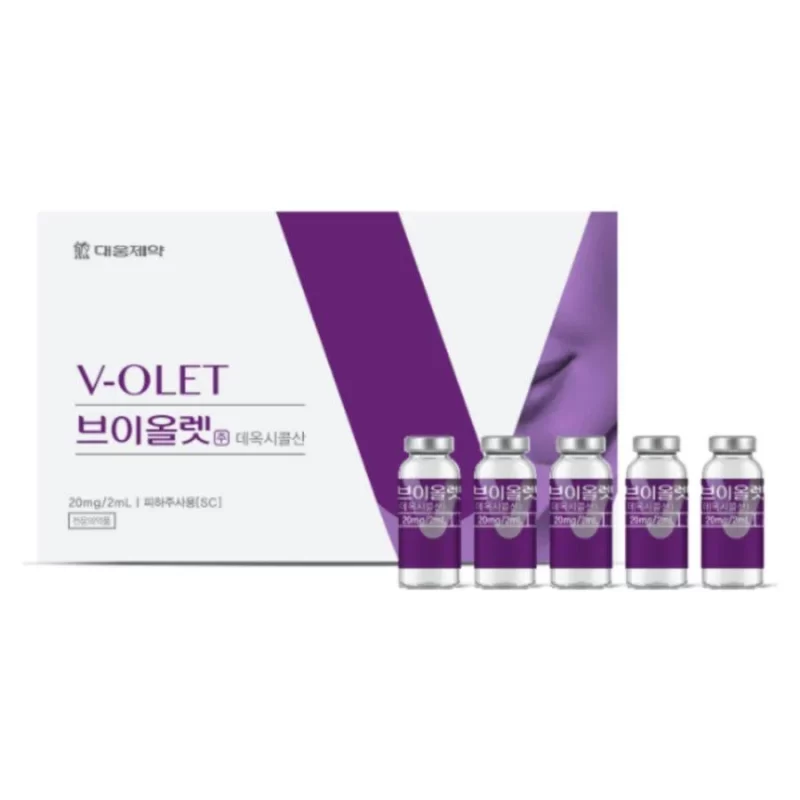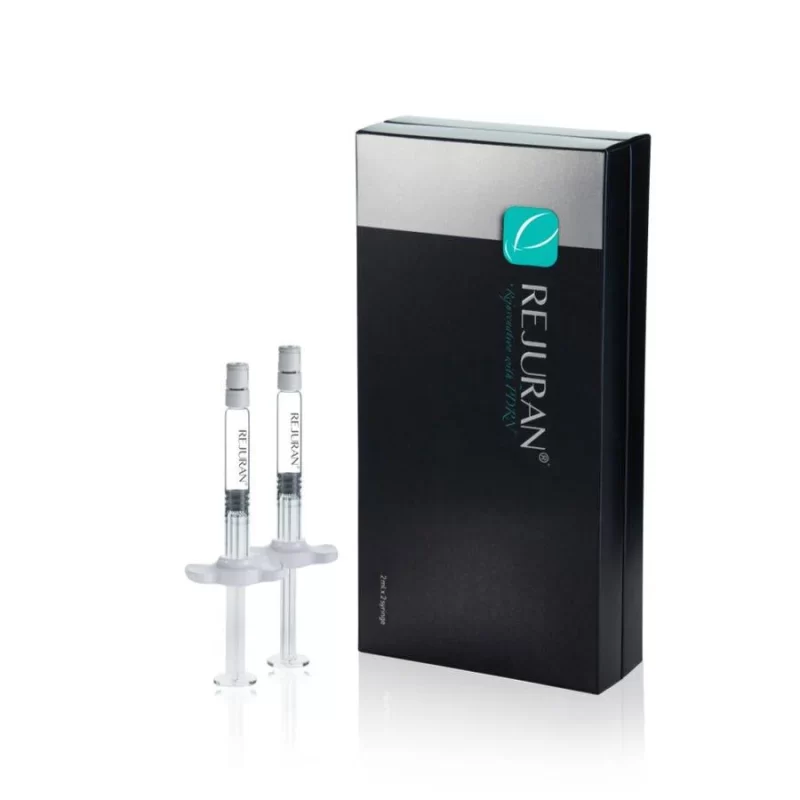
PN and PDRN are related ingredient terms, but they should not be treated as the same product when selecting treatments. PN stands for Polynucleotide; PDRN stands for Polydeoxyribonucleotide. Rejuran is a brand and product line, while "skin booster" (水光) is usually the name of a treatment or procedure type. You cannot determine what is actually used solely by the name.
First, separate ingredients, products, and treatment methods
| Name you see | What it tells you |
|---|---|
| PN / PDRN | This indicates the material category, but you still need to check the composition, dosage form, and intended use of the specific product. |
| 丽珠兰 / Rejuran | This refers to the brand and its different models; you need to further confirm the full name of the actual product. |
| 水光 / skin improvement treatments | This is a broad term for procedures and does not represent a fixed ingredient or a unified formula. |
| Topical serum / infusion / injection | These involve different routes of administration and cannot be used interchangeably just because their names are similar. |
For example, if a treatment menu says "PDRN skin booster," that is still not enough to know which material from which manufacturer it is, whether it contains other ingredients, or how it is planned to be used. Only with this information filled in can prices and plans be compared.
Can the difference between PN and PDRN be simply understood as large molecules vs. small molecules?
In related skin products, PN and PDRN refer to nucleotide chain materials derived from DNA. Chain segment characteristics, processing methods, and formulations affect the properties of the material, but the ingredient abbreviation itself is not a complete product description. You cannot judge clinical value solely by claims like "larger molecules are better" or "smaller molecules absorb faster."
When comparing, you should focus more on what the specific product is used for, how it is applied, and which populations and outcomes were observed in relevant studies. The performance of a certain material in a specific study cannot be automatically generalized to mean that all similar products are effective for all skin concerns.
What category does Rejuran actually belong to?
PharmaResearch describes its Rejuran aesthetic products as PN-related products. At the same time, the company also has other products and skincare items containing PDRN-related ingredients. Therefore, the common online practice of lumping "Rejuran," "PDRN," and "salmon DNA" together can easily cause people to overlook the model and route of administration that truly affect their choice.
During consultation, you can directly ask to see the full product name and package instructions, and distinguish between single-ingredient products and models that contain other ingredients. Do not confirm the material to be used solely based on the outer box color, common nicknames, or a random online image.
With the same type of ingredient, why can't topical application and injection be used interchangeably?
Skincare products, drugs, and medical devices have different requirements for their intended use and administration methods. A topical serum containing a certain ingredient does not mean it can be injected; the therapeutic results of an injectable product also cannot be directly used to promise that a bottle of topical serum will achieve the same effect.
The processes involved in "needle-free" treatments, "infusion," and injection are also different. During an in-person consultation, you should ask clearly whether the skin will be broken, what material is actually used, what aftercare is needed, and what reactions may occur. Do not interpret "same ingredient" as "same effect and same recovery period."
When comparing two treatment plans, in what order should I ask questions?
Start with your needs: Is your main concern dryness, fine lines, skin texture, or issues that require further diagnosis such as acne scars or persistent redness?
Then verify the product: Check whether the full name, manufacturer, model, specification, and actual composition are consistent.
Then ask about the method of use: How is the treatment planned to be performed, and why is it suitable for your current skin condition?
Finally, compare the overall arrangement: How is the actual dosage calculated, are any necessary auxiliary procedures included, and how are recovery monitoring and follow-up visits structured?
Do not expect a single treatment to solve all problems just because the name includes words like "repair" or "regeneration." You also should not interpret DNA-derived materials as modifying your personal genes. Regarding results, it is best to agree on specific observation targets and follow-up checkpoints, rather than accepting only a vague promise of "better skin texture."
If you have a history of allergy to materials or drugs, active skin inflammation, or have had other procedures recently, be sure to mention this before treatment. When injection is used, you still need to discuss risks such as pain, local lumps, bruising, and infection; an ingredient name cannot replace a full risk assessment.
Frequently Asked Questions
If a treatment lists PN, is it definitely Rejuran?
No. Ingredient category and brand are two different concepts; you need to verify the full product name from the specific manufacturer.
Is PN always more expensive and more effective than PDRN?
You can’t rank them this way. With different specific formulas, specifications, uses, and treatment goals, price doesn’t directly reflect suitability.
If both are 2 milliliters, can you compare prices directly?
That’s not enough. You also need to check the product, ingredient composition, and actual treatment method—same volume doesn’t mean the same content.
Can topical PDRN skincare products replace injections?
You can’t assume the two are equivalent. Whether injections are needed should be evaluated independently, and basic skincare doesn’t automatically mean it must be upgraded to a treatment.
Note: The AID official website lists both Rejuran and PDRN-related procedures separately. When booking, you can ask the clinic to further confirm the specific product and method of use being discussed, then compare plans based on your personal needs.