To improve dark under-eye circles, you first need to figure out why the area under your eyes appears dark. Increased pigment, visible blood vessels due to thin skin, and shadows formed by tear troughs and under-eye bags can all play a role, and these factors often occur together. Going to bed early, applying eye cream, or choosing a single cosmetic medical procedure cannot guarantee a solution for all types.
They all look "dark," but their causes may differ
| Possible contributing factors | Discussion points for a consultation |
|---|---|
| Pigment-related factors | Understand sun exposure, frequent eye rubbing, dermatitis, and past hyperpigmentation, and assess whether it is necessary to first control irritation or inflammation. |
| Visible blood vessels and thin skin | Observe skin tone, blood vessels, and local skin condition to determine if there are targets suitable for treatment. |
| Structural shadows from tear troughs, under-eye bags, etc. | Assess the transition between raised and sunken areas and tissue position, and distinguish between actual darkening of color and shadows caused by light. |
| Accompanying factors such as edema and daily routine | Consider daily fluctuations, allergy symptoms, and lifestyle habits, and investigate other causes if necessary. |
Appearance characteristics such as brown or bluish-purple tones can provide clues, but the white balance, beauty filters, and ambient lighting in phone photos can affect the perceived color. The common online tip of "stretching the skin to classify the type" is also no substitute for an examination, and you should not directly purchase treatment packages based on this method alone.
Why do dark circles still exist even after going to bed early?
Lack of sleep can make the eye area look more tired, but genetic, pigment, and structural factors will not disappear just by catching up on one night's sleep. A regular routine benefits overall condition, but it does not mean it can change the depth of tear troughs or all color differences around the eyes.
If you also have a itchy nose, sneezing, itchy eyes, or frequently rub your eyes, be sure to mention this during the consultation. Only discussing "how to make the area lighter" can easily cause you to miss the cause of ongoing irritation. Do not repeatedly use strongly irritating products around the eyes just to lighten the color.
What can eye cream, laser treatment, and fillers each address?
Moisturizing and appropriate sun protection are part of basic care. Eye cream is more suitable for addressing dryness, fine lines, or some skin tone needs, and cannot fill in structural depressions. For treatments targeting pigment or blood vessels, you must also first have a clear goal before evaluating specific methods and eye protection measures.
Fillers can be used for some suitable under-eye depressions, but they are not a universal solution for all dark circles. Under-eye bags, a tendency toward edema, and skin condition will affect the choice; simply understanding shadows as "just needing a little hyaluronic acid" may not produce the expected visual result.
Periocular injections carry risks such as bruising, swelling, and uneven contours, as well as rare but serious vascular complications. Laser treatment also requires professional assessment of indications and eye protection, and protocols used for other facial areas cannot be directly applied to the eye area.
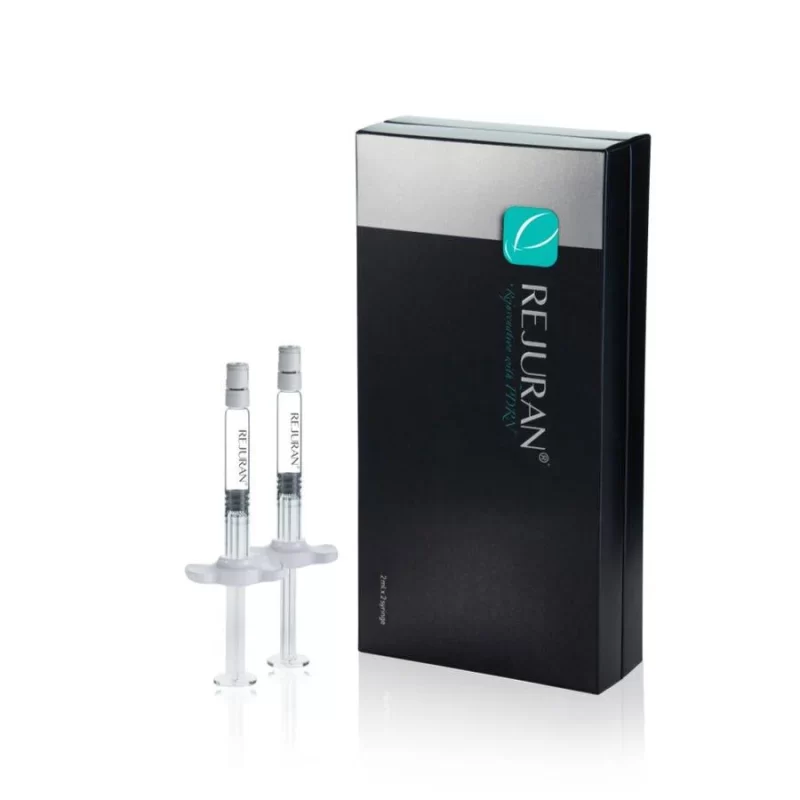
Can "periocular water light treatment" remove dark circles, under-eye bags, and tear troughs all at once?
These problems have different formation mechanisms, and a single procedure name does not mean it is effective for all factors. You should ask what the actual material is, which specific issue it is intended to improve, what changes may still remain, and how the results will be evaluated.
For example, improving the skin texture around the eyes and adjusting the shape of under-eye bags are different goals. Even if the skin texture changes, shadows caused by structure may still remain. Breaking down your goals first is more reliable than guessing your own results from a photo that claims "everything becomes brighter after the procedure."
How can you make communication more specific during a consultation?
Record how long the dark circles have been present, whether they are similar on both sides, and whether there are obvious changes between morning and evening.
Mention itchy eyes, rashes, edema, and any recently changed periocular skincare products.
Prepare filter-free front-facing photos taken from a similar angle and under similar lighting, and avoid comparing effects under different lights.
Provide records of previous periocular injections, under-eye bag surgery, laser treatments, etc., and clarify whether you are most concerned about color or unevenness (bumps and depressions).
If you suddenly develop significant darkening or swelling on one side, especially if accompanied by pain, redness, heat, or vision changes, you should seek medical attention first to find out the cause, rather than continuing with cosmetic treatments as if it were ordinary dark circles.
Frequently Asked Questions
Does darker under-eye circles mean you are a better candidate for picosecond laser treatment?
No. Only after confirming specific factors such as pigmentation can there be a basis for discussing devices and treatment methods.
Can tear trough shadows and pigmentation coexist?
Yes. Mixed factors are very common. After addressing one issue, the other may still affect the overall appearance.
If eye cream doesn't show results, does that mean injections are necessary?
That's not a valid conclusion. First, determine whether the concern comes from dryness, color, blood vessels, or structure, then decide whether treatment is needed.
Can under-eye circles be completely removed in a single session?
There is no universal guarantee. Different factors respond differently and have different recovery processes. Staged evaluation or choosing not to undergo treatment may also be necessary.
During a B:AID consultation, you can clearly state "whether you mainly want to improve the dark color or the shadow under the eyes", so that the doctor can explain what can be improved and the limitations of the plan based on the structure and skin condition around your eyes.