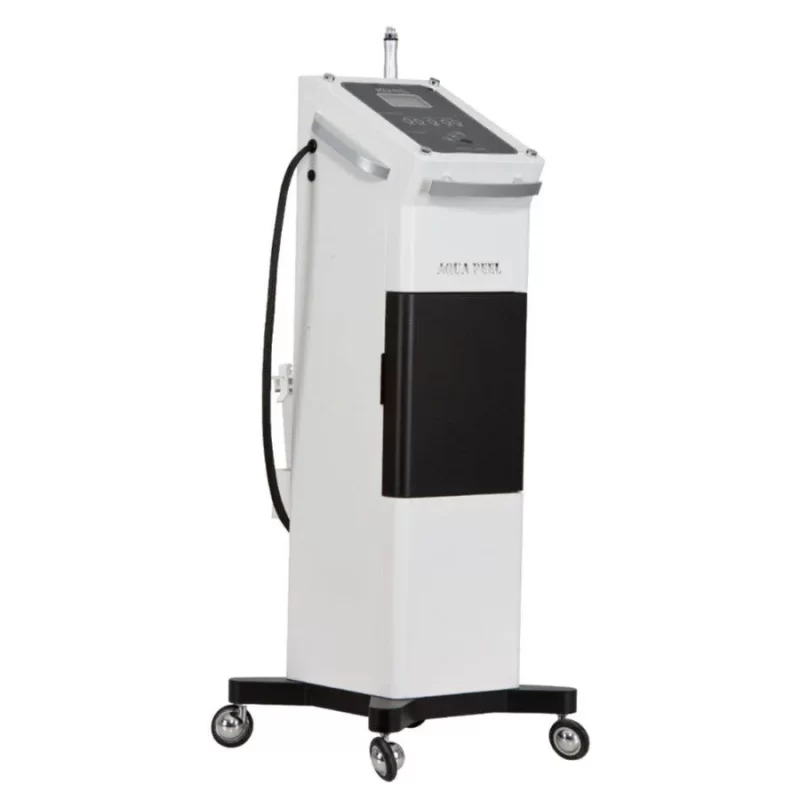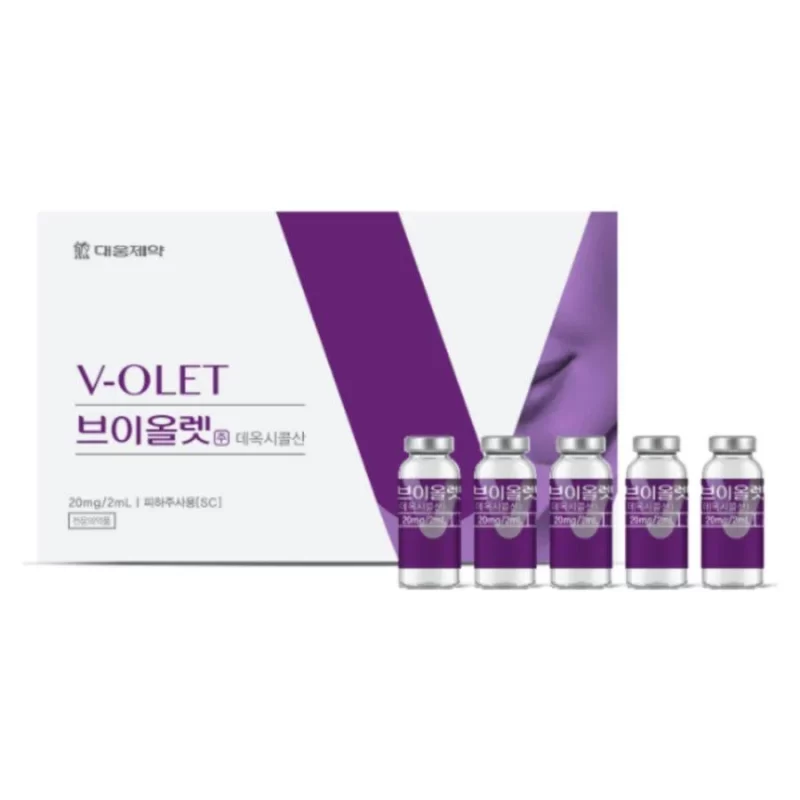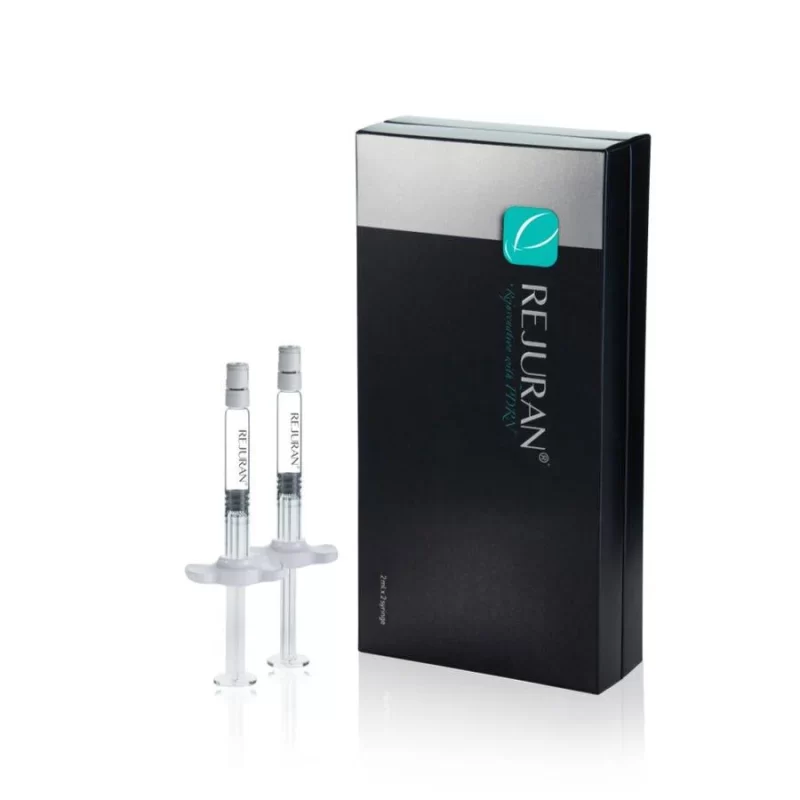
The main difference between manual and device-assisted water light injections lies in the injection method: manual injection is controlled by a doctor by hand, while device-assisted injection uses equipment to aid the process. They do not represent two fixed formulas, nor is there a universal judgment of which is better independent of the specific product, treatment area, and customized plan. Before making a choice, you should first clarify what exactly is being injected and what concerns you hope to improve.
What do manual injection and device-assisted injection mean respectively?
Manual injection allows the doctor to adjust the operation point by point according to different areas. Device-assisted injection is a general term for equipment-aided injection, which may use designs such as automatic propulsion, multi-needle systems, or negative pressure assistance, depending on the specific model. Seeing "machine injection" does not mean the same type of needle or the same set of procedures is used.
Equipment still requires the operator to judge the treatment area, fit condition, and skin response. Automatic control does not mean it is independent of professional judgment, nor does it mean the device can replace the assessment of materials and skin condition.
| Comparison | Manual injection | Device-assisted injection |
|---|---|---|
| Control method | The doctor makes manual adjustments based on local conditions. | The device assists in controlling part of the process, but the operator still needs to make adjustments and observations. |
| Items to verify | Specific materials, target areas, treatment plan, and the operator. | In addition to materials and areas, the device, needle, and their compatibility also need to be confirmed. |
| Pain and recovery | Affected by factors such as treatment area, materials, anesthesia, and operation technique. | May also cause needle pricks, redness, swelling, or bruising; painlessness cannot be assumed by default. |
Why should you choose the material first before discussing the injection method?
"Water light" is a broad term for a category of treatments. Different plans may vary in ingredients, viscosity, product purpose, and usage conditions. Injection devices are not necessarily compatible with all materials, and topical skin care products cannot be directly used for injection.
During consultation, you can ask for the full product name, specification, planned dosage, and target area to be written down clearly. For combination plans, the purpose of each material should be explained separately, to avoid mixing multiple treatments into an incomprehensible "nutrition package".
Is it reliable to say that device-assisted injection is less painful, or that manual injection is more effective?
This cannot be taken as a general conclusion. Pain level is also affected by the injection site, characteristics of the material, needle type, operation technique, and individual tolerance. Anesthesia or device assistance may improve the experience, but they do not guarantee complete absence of sensation, nor can pain level alone be used to judge whether the material has been delivered to the correct position.
When comparing effects, you should look at the same material, similar treatment goals, and a reasonable observation period, rather than comparing two packages with different ingredients and dosages solely based on the labels "manual" or "device-assisted". A higher price or more sophisticated equipment also cannot replace actual suitability.
Can leakage or small papules indicate how effective the treatment is?
Fluid on the skin surface may come from residue or leakage during the procedure, but the actual amount that entered the tissue cannot be accurately inferred just by visual inspection. If you are worried about obvious leakage, you should ask the operator to check and explain it on the spot, instead of assuming on your own that "the whole treatment was wasted" or requesting an immediate top-up of the same volume.
Small papules after injection are related to the material, treatment plan, and local reaction. More bumps do not necessarily mean better effectiveness, and the absence of obvious bumps alone is not enough to prove the treatment was ineffective. Persistent hard lumps, worsening redness and swelling, or abnormal pain require evaluation by a doctor.
How to ask specific questions when booking an appointment?
What is the full product name and specification to be used this time, and is it suitable for the planned injection method?
Which areas will be treated, and will the method be adjusted based on local skin conditions?
Who will be responsible for the assessment and operation, and how can the use of disposable consumables such as needles be confirmed?
Are anesthesia, materials, device use, and follow-up visits all included in the quoted price?
What recovery signs can be expected, and how should you contact your treating doctor if abnormalities occur?
If you currently have active dermatitis, an infection, or broken skin, describe your symptoms first. Do not overlook whether the injection is suitable just to choose a “gentler machine.” You should also inform your doctor before treatment about previous injection reactions, anesthesia allergies, and any medications you have recently taken.
Frequently Asked Questions
Is machine-administered injection the same as needle-free water light treatment?
No. Device-assisted injection can use needles; “needle-free” treatments may involve other technologies, so the two must be verified separately.
Can manual injection and machine-assisted injection be combined in the same treatment plan?
Sometimes the two are discussed by treatment area, but whether a combination is needed should have a clear goal and be designed by a doctor.
Since machines have adjustable parameters, are they suitable for all products?
No. You must confirm the compatibility and usage requirements between the specific device and the materials used.
How long after treatment can I wear makeup?
This depends on the needle punctures, redness and swelling, and any combined treatments. A uniform timeframe cannot be given based solely on whether the injection was manual or machine-assisted.
The B:AID official website displays injection assistive devices such as REJUMATE. When booking a water light or skin nutrition injection, you can first verify the materials and specific device, then discuss the most suitable operation method with your doctor.