Neck lines first need to be categorized: horizontal lines, vertical platysmal bands that become more noticeable with muscle contraction, and folds caused by skin laxity — these do not all respond to the same treatment. Dermal fillers, botulinum toxin, and energy-based devices each address different concerns, so a treatment plan cannot be decided based solely on the term "neck line injections."
What do horizontal lines, vertical bands, and skin laxity each refer to?
Horizontal neck lines usually appear as lines or grooves running across the neck, and may still be visible when the neck is relaxed. Platysmal bands are related to the contraction of the thin muscle in the neck and typically appear as vertical bands. Skin laxity may present as fine wrinkles, tissue sagging, or changes in the appearance under the chin.
These conditions can coexist. A doctor needs to observe changes in the neck during a natural posture and moderate movement, not just look at lines that appear when the head is tilted down. Newly appeared lumps, persistent pain, or difficulty swallowing should also not be treated as ordinary neck lines.
| Main presentation | Questions to address during consultation |
|---|---|
| Horizontal grooves | Are the concerns mainly localized lines, or are there also skin texture and laxity issues? |
| Vertical platysmal bands | How much of a role does muscle activity play in the appearance, and is the person a suitable candidate for related treatments? |
| Fine wrinkles or laxity | What is the condition of the skin and soft tissue, and what results can reasonably be expected from energy-based treatments? |
| Undefined jawline and fullness under the chin | Are there contributing factors such as fat, bone structure, or other issues? The assessment should not focus only on lines. |
Can botulinum toxin also resolve horizontal neck lines?
When botulinum toxin is discussed for platysmal bands, the main focus is on related muscle activity; horizontal grooves are not always primarily caused by this factor. Therefore, data on its use for vertical muscle bands cannot be directly interpreted to mean that all horizontal neck lines will see the same improvement.
The approved conditions for specific products in the location where treatment is received must also be confirmed. For neck treatments, special attention should also be paid to any previous issues with swallowing, voice production, or neck function — this information should be proactively shared during the consultation.
For horizontal neck lines, is filling them in enough?
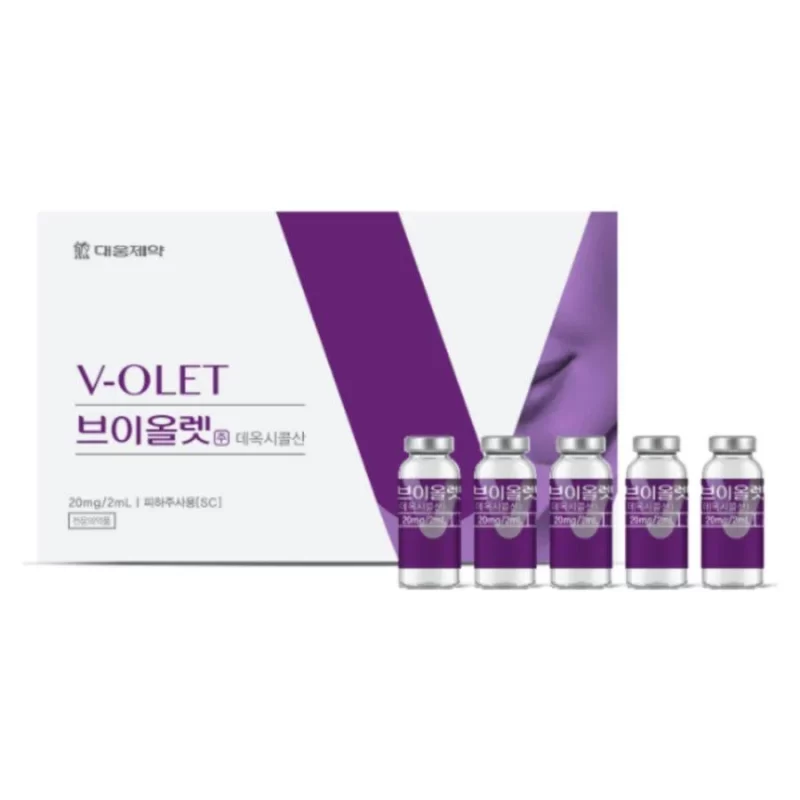
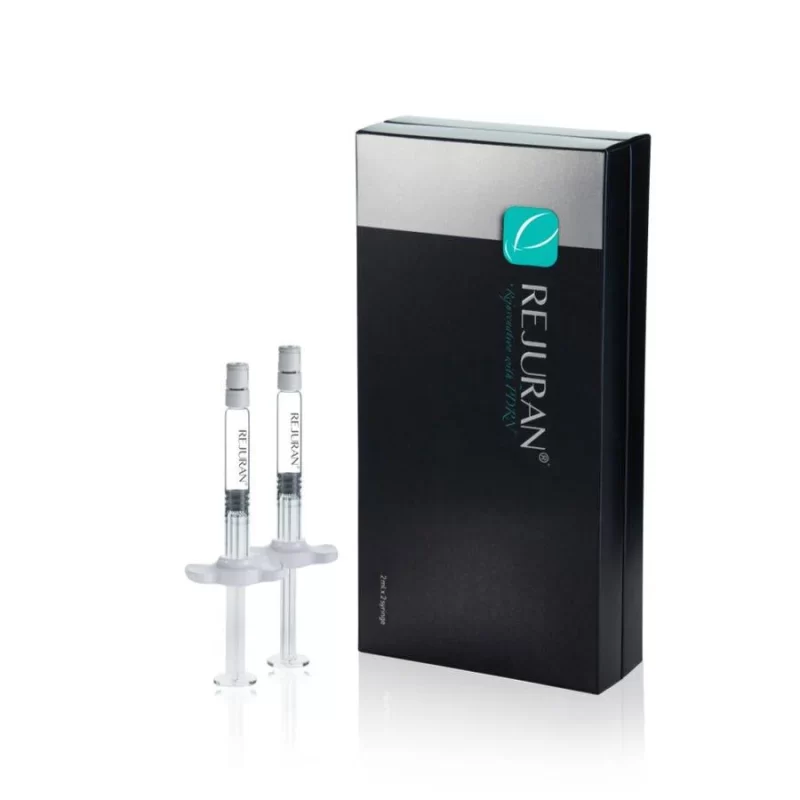
Injectable materials have been used in clinical studies for some horizontal neck lines, but the specific products, protocols, and study populations in that research do not mean that any hyaluronic acid or skin booster package is suitable for the neck. When considering injections, it is necessary to discuss expected improvements, material selection, and potential issues such as lumps or unevenness.
The neck moves frequently, and localized lines may coexist with overall laxity. Adding volume cannot automatically resolve all tissue sagging, and materials should never be repeatedly added just to pursue completely smooth skin with no lines at all.
How should energy-based options like radiofrequency and ultrasound be discussed?
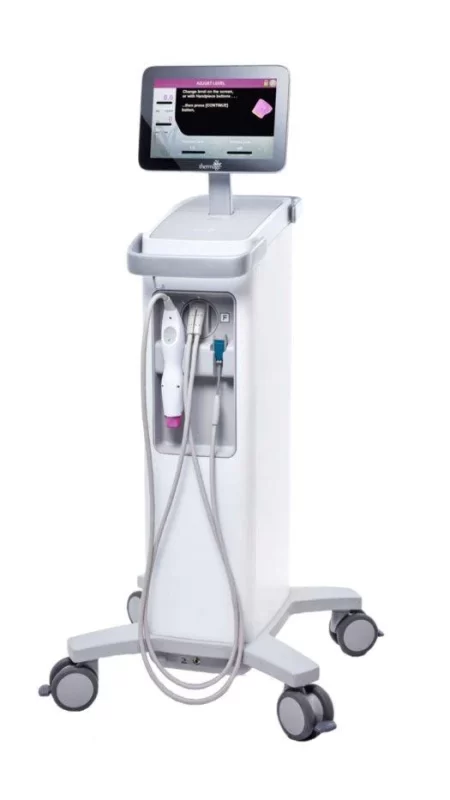
Energy-based treatments may target skin tightening or texture improvement within their approved scope, but different devices, handpieces, and modes are not interchangeable. It is necessary to verify whether the neck is an approved treatment area for that specific product, and to ask the doctor to clarify the actual treatment area.
If there is significant excess skin or more severe sagging, the limits of what non-surgical methods can achieve should be discussed in advance. A history of neck surgery, injections, thread lifts, or the presence of implants should also be disclosed to the doctor.
What can be prepared for the consultation and recovery planning?
Take photos while standing naturally with the head held in a normal position, without using beauty filters and without deliberately stretching the skin.
Clarify whether your biggest concern is horizontal lines, vertical bands, or overall laxity, and identify your priority goal.
Organize records of previous neck treatments and surgeries, and note whether you have ever had hard nodules or persistent swelling.
Inform the doctor of your acceptable recovery period, and whether your job involves a lot of speaking, exercise, or neck movement.
Recovery monitoring should pay attention to both appearance and function. If there is noticeable difficulty swallowing, voice changes, or breathing problems after injection, seek medical help immediately; worsening pain, redness, swelling, or other abnormalities also require prompt evaluation.
Frequently asked questions
If young people have neck lines, does that mean they are aging severely?
You cannot make that judgment based on neck lines alone. Lines are related to factors such as individual anatomy and movement; age alone does not explain the full cause.
Can reducing head-bowing or applying neck cream completely remove neck lines?
There is no guarantee. Daily care can focus on moisturizing and sun protection, but it cannot promise to change all structural lines.
Can the same product used on the face be applied directly to the neck?
It cannot be applied automatically. The treatment area, goals, product indications, and prior treatments all need to be re-evaluated.
If you have both horizontal and vertical neck lines, do you have to treat them all in one session?
Not necessarily. You can first clarify your primary concern, then decide whether to proceed with staged treatment and observation.
When consulting about neck concerns at B:AID, it is recommended to first ask the doctor to distinguish the type of lines before discussing specific products or devices; do not decide on treatment based solely on the name of a "neck line package."