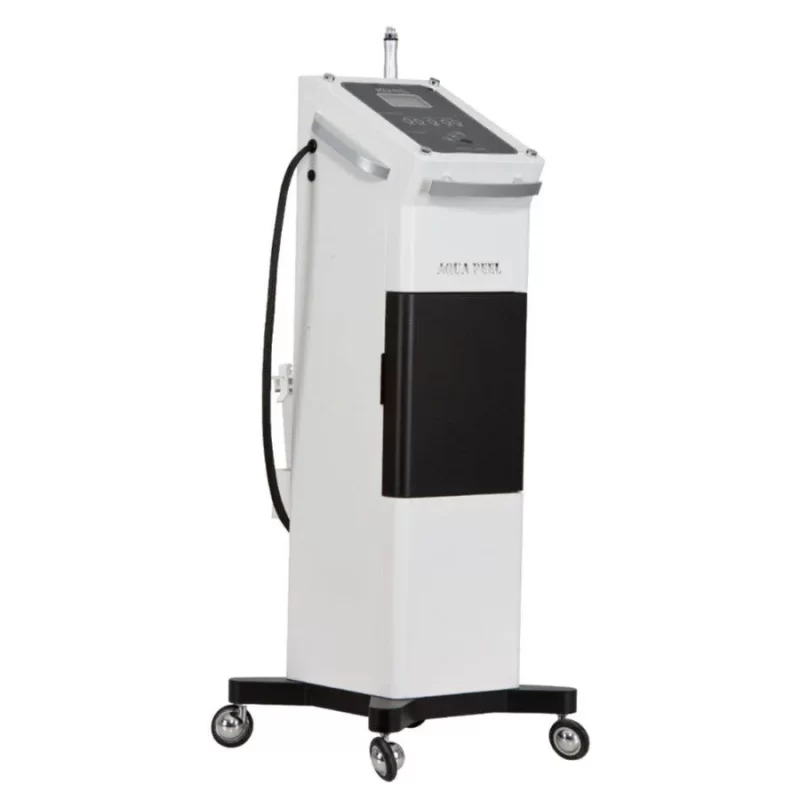
Thread lift involves placing threads into tissue, while energy-based lift uses devices such as radiofrequency and ultrasound to deliver energy. The two methods differ in mechanism of action, recovery profile, and risks. Just because both are called “lifts,” they should not be selected by the same standard. Suitability first depends on the cause and severity of sagging.
What do thread lift, energy-based lift, and surgical lift each mean?
| Method | Key points to understand |
|---|---|
| Thread lift | Threads are implanted to provide support or traction to targeted tissues; it carries risks related to implantation and puncture. |
| Energy-based lift | Specific devices and settings are used to act on tissue; recovery and risks vary with the technology and plan. |
| Surgical lift | Relevant tissues are treated through surgery; it differs in evaluation scope, trauma, and recovery requirements. |
These three are not an upgrade path ranked by strength. Mild cosmetic changes, noticeable tissue sagging, localized hollows, or bony contours may each require separate discussion. Attributing all dissatisfaction to sagging easily leads to choices that miss the intended goal.
MINT and Silhouette Soft: don’t just look at the brand name
MINT-related products use PDO threads, while Silhouette Soft belongs to another category of absorbable suspension thread products. Specific products differ in thread design, anchoring structure, and usage conditions, and should be judged based on the actual model specifications.
When comparing plans, confirm the full model, intended treatment area, number of threads, and the changes the doctor aims to achieve. The same number of threads does not equal the same effect, and the quantity of different thread types cannot be directly converted. Absorbable does not mean risk-free, and certainly does not mean they can be non-invasively removed at any time.
When should expectations for thread lift be discussed with caution?
A more specific evaluation is needed with thin skin, insufficient facial volume, a history of multiple previous treatments, or relatively pronounced sagging. Whether threads can improve the target problem depends on tissue conditions and the overall plan, and cannot be determined simply by age or selfie angle.
If you desire a noticeable change close to what surgery can achieve, you should state your expectations proactively so the doctor can explain the limits of thread lift. If the goal is not suitable, other options or deferring treatment should be discussed instead of compensating for all limitations by adding more threads.
What practical arrangements should be made for the recovery period?
After a thread lift, swelling, bruising, tenderness, a pulling sensation, or temporary surface irregularities may occur. Recovery requirements vary by product, area, and procedural plan, so “being able to go out” should not be mistaken for full recovery.
Ask about specific requirements for cleansing, makeup, sleeping position, exercise, chewing, and facial pressure.
Confirm the follow-up appointment time, and avoid scheduling important photoshoots or events too close to the treatment date.
Find out the contact and medical care arrangements in case problems arise after you return home.
Keep a record of the actual threads used, the date, and the treated areas for reference in future treatments.
If you have progressively worsening pain, redness, swelling, fever, discharge, exposed thread, or obvious functional abnormality, seek a follow-up visit promptly. Do not pull or cut exposed threads yourself, or massage unexplained hollows.
Can I have Thermage or ultrasound lift after a thread lift?
Before discussing other devices, the thread type, placement timing, area, current tissue condition, and presence of any complications must first be verified. A universal interval cannot be applied across different technologies and areas, and eligibility for treatment cannot be automatically judged simply by “it’s been several weeks.”
Conversely, if you have had energy-based treatment first and are considering a thread lift, you should also provide complete records. A combined plan should explain what each procedure addresses and why that order is chosen, rather than treating the stacking of procedures itself as an advantage.
How long do results last, and what is a reasonable way to assess them?
The material degradation of the threads, the early traction effect, and the final appearance are not the same timeline. Duration of results is influenced by many factors such as tissue condition, threads and plan, and natural aging, so a fixed number of years cannot be guaranteed.
At follow-up, look not only at the contour but also at facial expression, touch, and daily comfort. If results do not meet expectations, analyze the cause first to avoid repeated thread lifts at different clinics or added fillers within a short period.
Frequently Asked Questions
Since absorbable threads eventually dissolve, does that mean there are no long-term issues?
This is not a valid conclusion. Infection, scarring, tissue reactions, and other problems cannot be ruled out simply because the threads are absorbable.
Is thread lift always more effective than energy-based skin tightening treatments?
Not necessarily. Due to differences in treatment targets, goals, and suitability, one cannot rank them without considering individual circumstances.
If I develop a dent after a thread lift, should I massage it myself?
Do not attempt to treat it on your own. Have your doctor determine the cause, then follow their guidance for care and follow-up.
The more threads used, the longer the results last?
There is no such universal relationship. The number of threads must align with the specific treatment plan, while also taking into account trauma and risks.
B:AID's official website lists treatments including MINT and Silhouette Soft. When you visit the clinic, we recommend describing your desired results, acceptable recovery time, and prior treatment history so that a doctor can assess whether thread lift is suitable for you.