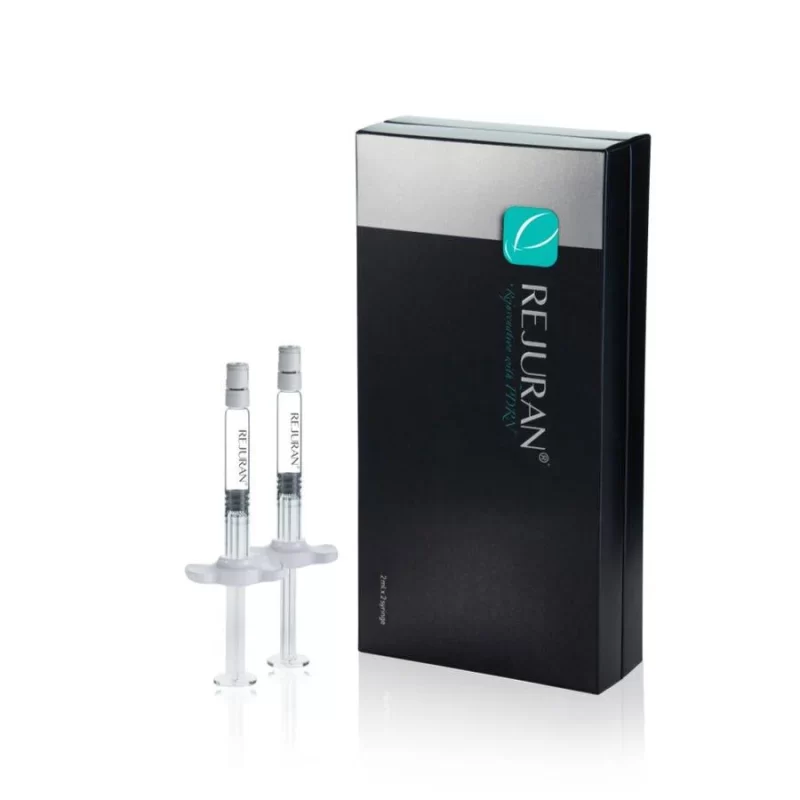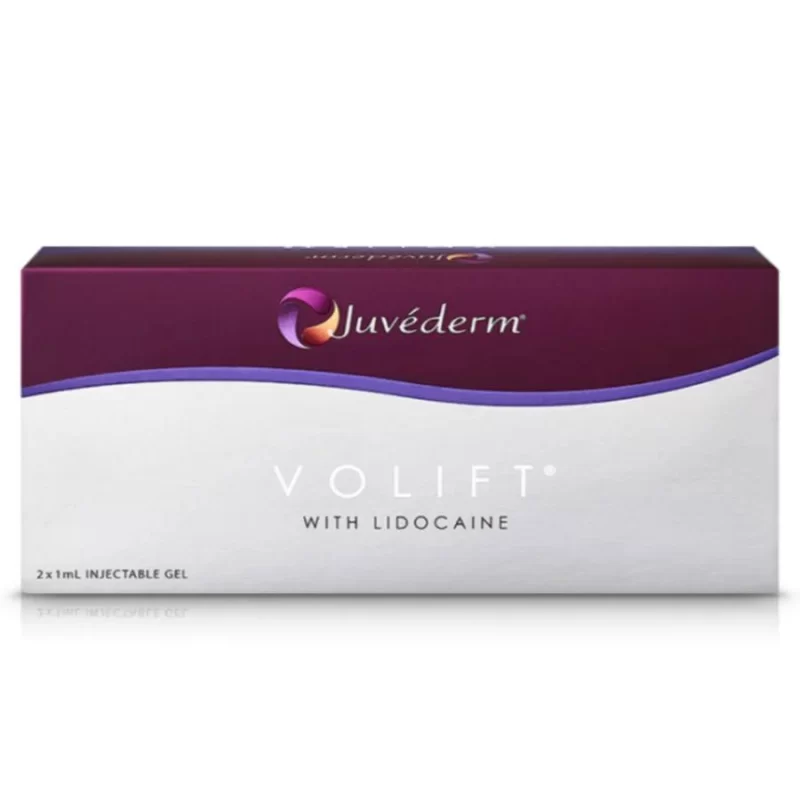
Juvederm and Restylane are both hyaluronic acid filler product lines that include multiple formulations. When choosing a filler, you should match the specific product type to your treatment goals, the target area, and your tissue characteristics—you cannot generalize an entire brand as “softer,” “firmer,” or “better for everyone.”
They’re all called hyaluronic acid fillers—why can’t you just go by brand name?
Different products may differ in formulation, gel properties, and intended use. Even within the same product line, there may be formulations designed for different needs. Simply remembering “I got Juvederm” or “I got Restylane” is not enough information for future follow-up visits.
During your consultation, it is recommended that you confirm the full product name and specification on the packaging, and ask your doctor to explain why this particular formulation was chosen for your treatment. The approved uses of a product may vary by country or region, so you should not directly apply treatment areas mentioned in overseas marketing to local treatments.
| Selection process | Points to clarify |
|---|---|
| Step 1: Your concern | Is the main issue volume loss, contour proportions, or skin texture and laxity? |
| Step 2: Your goals | Which area do you want to change, and how? What outcomes do you want to avoid? |
| Step 3: Product formulation | Whether the specific product is suitable for your goal and for local use conditions. |
| Step 4: Dosage and treatment timeline | The planned amount of filler, whether results will be assessed in stages, and how follow-up decisions will be made at review appointments. |
Is the hyaluronic acid used in skin booster treatments the same as that used for contouring and volume filling?
Just because both contain hyaluronic acid, you should not treat these two types of procedures as identical. Their product formulations, uses, administration methods, and goals may differ. Concerns about improving surface skin condition should be discussed separately from concerns about adding local volume or changing contours.
Even for the same “nasolabial fold” concern, the issue may involve multiple factors such as bony support, soft tissue position, skin texture, and facial expressions. Seeing a crease does not mean that simply adding filler into the crease will solve the entire problem.
1 Is 1 milliliter enough—and why can’t this be answered just from photos?
Milliliters are only a unit of volume and cannot fully capture tissue needs, product properties, or overall goals. There is no single standard dosage for minor aesthetic adjustments versus multi-area treatments; left-right asymmetry, residual filler from previous treatments, and local tissue conditions also affect the treatment plan.
A more practical discussion would focus on: which area to address first, how much change is expected, and whether staged assessments are needed. Do not add unnecessary treatment areas just to use up a package deal, and do not assume that a larger volume automatically means better value for money.
I’ve had filler before but can’t remember what product was used—what should I do?
Try to locate old medical records, payment receipts, photos of product packaging, or records from the clinic.
Note the date and area of each treatment, even if you did not experience any discomfort at the time.
Proactively disclose any history of lumps, swelling, infection, or filler dissolution procedures.
If the product is unclear, your doctor will determine whether further testing is needed or whether you should postpone adding more filler.
Do not guess the product based only on whether it feels soft or firm to the touch. If you have had energy-based treatments, thread lifts, or surgery, you should also mention these to help your doctor understand your current tissue condition.
Hyaluronic acid fillers can be dissolved—does that mean it’s safe to keep trying them repeatedly?
Some hyaluronic acid-related issues may require a doctor to consider treatments such as hyaluronidase, but this does not mean every result can be easily and completely reversed. Dissolution is also a medical procedure that requires an assessment of the cause, the filler material, and the risks involved.
Fillers may cause redness, bruising, infection, nodules, or vascular-related complications. If you experience severe pain,明显 paleness or mottled discoloration of the skin, or vision changes, seek immediate medical evaluation—do not wait for symptoms to resolve on their own.
Frequently asked questions
Does Juvederm definitely last longer than Restylane?
You cannot draw a blanket conclusion based on the brand alone. The specific product line, treatment area, dosage, and individual differences all affect how long the results last.
Is the full, plump look right after the procedure the final result?
Not necessarily. Early swelling can affect the appearance, so the final result should be assessed after a scheduled follow-up.
Can products from the same brand be used on all areas?
No. You need to verify the specific product's intended use and rely on a doctor's assessment. The same brand does not mean all its product lines are interchangeable.
Can I bring photos of looks I like to the consultation?
They can help communicate your desired direction, but adjustments must be made based on your own facial structure. No promise can be made to replicate someone else's appearance.
Note: The AID official website lists Juvederm and Restylane products. During consultation, it is recommended to write down the specific product line and target treatment area, and confirm the treatment plan, estimated cost, and follow-up arrangements before the procedure.