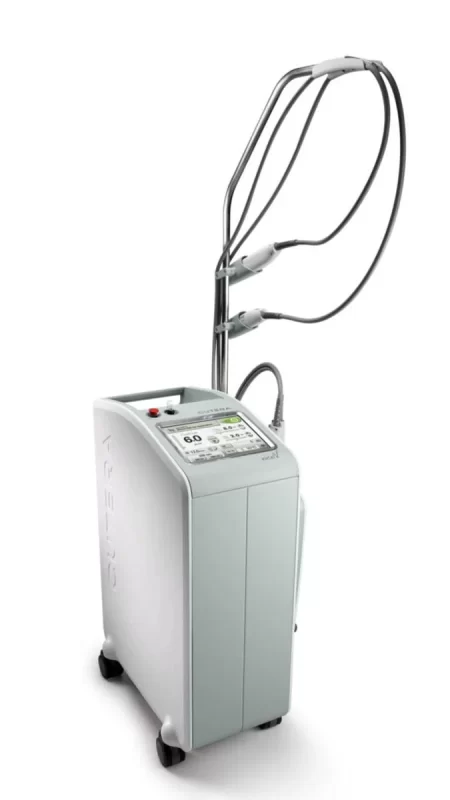
Excel V is a laser platform that can be used for some vascular skin concerns, but not all cases of "facial redness" should be treated with laser right away. Visible fine blood vessels, recurrent flushing, dermatitis, and rosacea may require different approaches; the cause must first be identified to determine whether vascular laser is suitable.
What is the difference between broken capillaries, flushing, and inflammation?
Broken capillaries usually refer to tiny, dilated blood vessels visible to the naked eye; flushing emphasizes redness that changes with temperature, emotion, or other triggers. If there is also burning, papules, pustules, or persistent sensitivity, the possibility of other skin conditions should be considered.
| Common presentation | Key points for in-person consultation |
|---|---|
| Fine thread-like blood vessels are clearly visible and relatively fixed in position | Assess vascular characteristics, skin tone, and available treatment options. |
| Noticeable redness when exposed to heat, during exercise, or with emotional changes | Understand triggers, duration, and whether other symptoms are present. |
| Redness accompanied by papules, pustules, or burning pain | Distinguish between rosacea, acne, and other inflammatory conditions. |
| Redness, itching, and flaking after using a new product | Assess possibilities such as irritant or contact dermatitis. |
These presentations may overlap. Photos taken on a phone can help record flare-ups but cannot fully replace an in-person consultation; simply attributing symptoms to "thin skin" or "damaged stratum corneum" is also not sufficient to explain all causes.
Is Excel V the same as regular "photorejuvenation"?
Excel V is a laser platform with 532nm and 1064nm wavelengths; what is commonly referred to as photorejuvenation typically describes intense pulsed light (IPL) treatments. They differ in light source and specific settings, so suitability cannot be judged solely by the price per session or the device name.
Doctors need to select treatment based on the location and characteristics of the blood vessels, skin tone, and other skin lesions. A device having multiple uses does not mean a single session can address all pigmentation spots, redness, and texture concerns at the same time.
Can rosacea be treated with vascular laser alone?
Vascular laser or other light-based therapies can be an option for some cases of persistent redness and visible blood vessels, but they may not address all symptoms such as papulopustular lesions or irritation. Rosacea often requires a combination of skincare, trigger management, and necessary medication.
If you have dry eyes, a foreign body sensation, or recurrent eyelid inflammation, you should also inform your doctor proactively; these symptoms cannot all be treated with facial cosmetic laser. Do not stop taking medication on your own in order to have laser treatment, or use unknown steroid creams long-term to suppress redness.
What information affects the treatment plan before the procedure?
Whether you have tanned recently or had excessive sun exposure, and whether you have active dermatitis or broken skin.
Whether you are prone to hyperpigmentation, noticeable scarring, or have had adverse reactions to laser treatment before.
Medications you are currently taking or using topically, as well as any steroid creams you have used previously.
Whether the redness is persistent, what factors trigger or worsen it, and whether it is accompanied by pain or eye symptoms.
If necessary, the doctor may recommend stabilizing inflammation first, or conducting a small-area assessment based on the situation. Conditions such as darker skin tones or recent tanning may affect risk management and treatment planning, requiring individualized assessment.
Is it normal to have purplish discoloration, redness, and swelling after treatment?
With different settings, recovery may include temporary redness, swelling, or purpura, but not everyone will experience these reactions. The presence or absence of purplish discoloration alone cannot determine effectiveness. Before treatment, you should understand the expected recovery signs and abnormal symptoms that require medical attention.
Blistering, obvious skin breakdown, progressively worsening pain, or other unexpected changes should be reported to your doctor promptly. During recovery, follow medical advice for cleansing, moisturizing, and sun protection, and avoid repeatedly using irritating products on your own or adding other energy-based treatments.
Frequently Asked Questions
Will red blood vessels on the sides of the nose disappear completely after just one treatment?
There is no guarantee. The characteristics of the blood vessels, skin condition, and individual response all affect the results and whether follow-up treatment is needed.
Is facial redness always rosacea?
No. Dermatitis, environmental irritation, and other causes can also lead to redness, which needs to be judged based on symptoms.
Will facial redness never come back after treatment?
No such promise can be made. Treating specific blood vessels and managing triggers for repeated flushing are separate matters.
Can Excel V be done together with spot-removal treatments?
The two types of issues and skin tolerance must first be clarified, then a doctor will decide the order and interval between treatments.
B: The Excel V device is listed on the AID official website. During consultation, you can provide photos of when your skin is red and records of triggers, so that the doctor can first distinguish between vascular and inflammatory issues before discussing a suitable treatment plan.