Freckles, sun spots, and melasma can all appear as brown spots on the face, but they differ in their formation mechanisms, distribution, and treatment strategies.The most important step before laser treatment is not choosing a device first, but confirming the type of spot and ruling out moles, seborrheic keratosis, actinic keratosis, or other pigmented lesions that require medical evaluation..
Quick Summary
Freckles are usually small, scattered brown dot-like spots that darken after sun exposure and may change with the seasons; sun spots are more common in areas with long-term sun exposure, have relatively clear borders, and are more persistent; melasma often appears as bilaterally symmetrical patchy or reticular pigmentation that is easily affected and recurrent due to ultraviolet light, visible light, hormones, and irritation. Melasma cannot be treated with the simple goal of one-time removal like ordinary sun spots.
What are the typical characteristics of freckles?
Freckles often refer to ephelides, which are mostly small, flat light brown or dark brown spots that commonly appear on the bridge of the nose, cheeks, and other sun-exposed areas. In some people, they darken in summer and lighten in winter, and sun exposure is a major influencing factor.
Freckles are usually benign, but if a spot is noticeably different from others, changes rapidly, or has irregular coloration, it should still be checked by a doctor.
What are sun spots?
Commonly referred to as sun spots, they often correspond to solar lentigines. They are related to long-term or repeated sun exposure, commonly found on exposed areas such as the face and the backs of the hands, ranging in color from light brown to dark brown, often with relatively clear borders, and are more persistent than freckles.
Solar lentigines are mostly benign, but may resemble flat seborrheic keratosis, actinic keratosis, or some early malignant lesions in appearance. When diagnosis is uncertain, doctors may use dermoscopy, and further testing if necessary.
What are the typical characteristics of melasma?
Melasma often appears as bilaterally symmetrical brown or grayish-brown patchy or reticular pigmentation, commonly distributed on the forehead, cheeks, nose, upper lip, and chin. Ultraviolet light, visible light, hormonal changes, certain medications, and irritation can all affect it.
Melasma is a pigmentary problem prone to chronic recurrence. Treatment is usually based on long-term sun protection, reducing triggers, and topical medications, while laser or photoelectric therapies are cautiously added only in suitable candidates.
How to preliminarily compare the three types of pigmentary spots?
| Characteristics | Freckles | Sun spots | Melasma |
|---|---|---|---|
| Appearance | Small, scattered dot-like brown spots | Relatively clear, persistent brown patches or spots | Patchy, reticular, or confluent pigmentation |
| Distribution | Bridge of the nose, cheeks, and sun-exposed areas | Areas with long-term sun exposure such as the face and backs of the hands | Often bilaterally symmetrical, seen on the forehead, cheekbones, upper lip, etc. |
| Seasonal changes | Often darken with sun exposure; some lighten in winter | Usually more persistent | Can be repeatedly worsened by sun exposure, visible light, hormones, and irritation |
| Treatment focus | Sun protection and selective pigment treatment | Confirm the diagnosis first, then consider pigment treatment | Long-term sun protection, topical management, and cautious procedural treatment |
Why can’t spot types be judged only by photos?
Photos are affected by lighting, filters, and camera white balance. Freckles, sun spots, melasma, post-inflammatory hyperpigmentation, and nevus of Ota on the cheeks may coexist, or they may look similar in photos.
Doctors will make judgments based on medical history, distribution, borders, and color, and may use Wood’s lamp, dermatoscopy, or skin tests as aids. Testing only provides information and cannot replace a clinical diagnosis.
Which spots require ruling out other conditions first?
If a spot has recently grown rapidly, has varied colors, irregular borders, looks noticeably different from surrounding spots, or is accompanied by crusting, bleeding, itching, or non-healing, you should seek a medical examination first instead of directly treating it as a regular sun spot with laser.
Confirming the diagnosis before pigment treatment helps avoid delaying the evaluation of lesions that require pathology, and also reduces the risk of hyperpigmentation or hypopigmentation caused by incorrect parameters.
What types of devices can be used for freckles and sun spots?
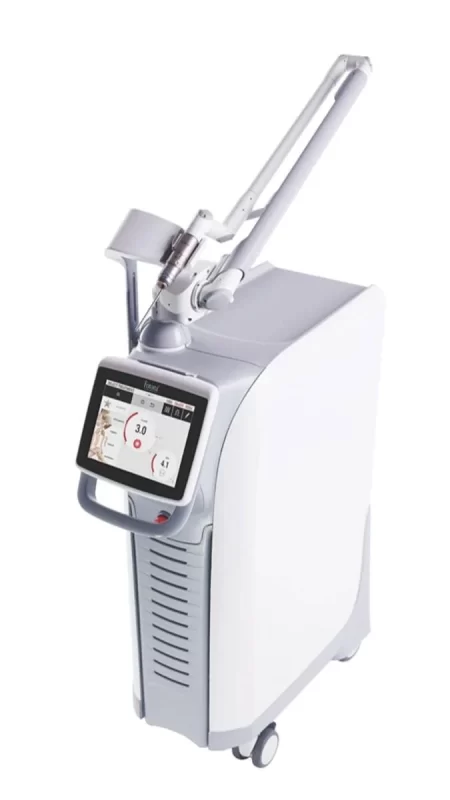
After confirming that the pigment is benign, doctors may discuss Q-switched, picosecond, 532nm, or other selective pigment devices based on pigment depth and skin tone. The B:AID official website lists pigment-related devices such as Fotona StarWalker, PicoHi, and Clarity PRO 2.
Even with the same device name, the wavelength, spot size, energy, and number of treatments still need to be individualized. Crusting, redness, swelling, darkening, or lightening of pigment may also occur after treatment.
Why can’t melasma be treated with the goal of “removing it in one session”?
Melasma is related to multiple factors such as epidermal and dermal pigment, blood vessels, sun exposure, hormones, and inflammation. High-energy or excessive treatment may trigger post-inflammatory hyperpigmentation, and even make melasma harder to control.
International dermatology references emphasize the importance of year-round sun protection and topical treatment. Procedures such as laser, intense pulsed light, and microneedling should be used cautiously by specialists, and the possibility of recurrence should be accepted.
What role does Excel V play in spot treatment?
Excel V is a platform related to blood vessels and pigment. When some cases of melasma are accompanied by vascular factors or redness, doctors may include vascular status in the comprehensive assessment, but it is not a one-size-fits-all solution for all melasma.
Whether to use it, which wavelength and parameters to choose, need to be determined based on skin tone, vascular presentation, previous treatments, and the risk of hyperpigmentation.
What preparations should be made before laser treatment?
Describe when the spots appeared, seasonal changes, and family history;
Inform about pregnancy, hormone medications, birth control pills, and other possible triggers;
List the whitening products, chemical peels, and prescription medications you are currently using;
Describe recent sun exposure, sunburns, and previous experiences with hyperpigmentation;
Confirm whether the spots require dermatoscopy or further examination;
Ask about the device, wavelength, treatment area, and recovery period;
Confirm post-treatment sun protection, care, and follow-up arrangements;
Verify the total price including tax before treatment.
How to reduce recurrence and hyperpigmentation after treatment?
Year-round sun protection is the common foundation. For melasma in particular, visible light deserves extra attention, and you can discuss tinted sunscreens containing iron oxide with your doctor. Avoid picking at scabs, prolonged sun exposure, and irritating skincare products; follow your doctor's instructions for using restorative products and topical medications.
Lightening of dark spots does not mean the triggers have gone away. Even with successful treatment, freckles and sun spots may reappear with new sun exposure, and melasma may recur. Long-term management, rather than a one-time procedure, is needed.
How does B:AID assess pigmentation issues?
B:AID's official website lists a variety of pigment and vascular devices and states that treatments are customized based on skin condition. During the in-person consultation, different types of spots will first be distinguished, and then a decision will be made whether a single device or phased combination therapy is needed.
Frequently Asked Questions
Can freckles and sun spots be completely removed in one treatment?
Complete removal cannot be guaranteed. The depth, number of pigmented spots, skin tone, and treatment parameters vary, and subsequent sun exposure may cause new spots to form.
Can picosecond laser be used for melasma?
It may be used cautiously as part of a comprehensive plan for some people, but melasma carries risks of recurrence and worsening. It should not be treated on your own like ordinary sun spots.
Can a Wood's lamp determine the type of spot with 100% accuracy?
No. Wood's lamp and skin analysis tests are auxiliary tools; they still need to be combined with medical history, clinical appearance, and necessary dermoscopy when indicated.
There's one spot that's especially dark—can I get laser treatment directly?
It is not recommended. Lesions that look different from other spots, change rapidly, or have irregular borders should first be evaluated to rule out moles and other conditions.
Is it normal for spots to darken after laser treatment?
Some scabbing or short-term color changes may occur during the recovery process, but persistent darkening, widening of the affected area, or accompanying unusual symptoms should be followed up with a doctor.
Can using only sun protection improve melasma?
Sun protection is the foundation and can help prevent worsening, but many people also need doctor-supervised topical medications or comprehensive treatment.
This article is for general education on pigmentation issues and cannot replace a dermatological diagnosis. Any rapidly changing, irregular, or suspicious pigmented lesions should first receive a medical evaluation. Lasers, wavelengths, parameters, and treatment courses should be determined by a doctor based on the type of spot, skin tone, medical history, and risk of pigmentation changes.