Acne scars and enlarged pores often appear together, but they are not the same type of problem.Acne scars are a type of atrophic structural scar; visible pores may be related to sebum, follicular openings, decreased elasticity, or superficial scars. Potenza, picosecond fractional laser, and Juvelook approach these concerns through microneedling radiofrequency, fractional laser, and collagen-stimulating materials respectively.
Quick summary
Potenza is suitable for pores and scars that require control over needle depth and radiofrequency layering; picosecond fractional laser focuses more on skin texture remodeling through fractional energy and can also address some pigmentation concerns; Juvelook can be part of a collagen remodeling plan. Deep acne scars, fibrous tethering, and active acne often require other or combined treatments.
What is the difference between acne scars and enlarged pores?
Acne scars are commonly classified as icepick, boxcar, and rolling types. They differ in edge shape, depth, and base tethering, so treatment cannot be determined solely by how many scars a person has.
Enlarged pores may result from excessive oil production, follicular keratinization, photoaging, and reduced support around pores. Sebaceous pores on the nose and scar-related pores on the cheeks also do not respond to identical treatment plans.
What is Potenza?
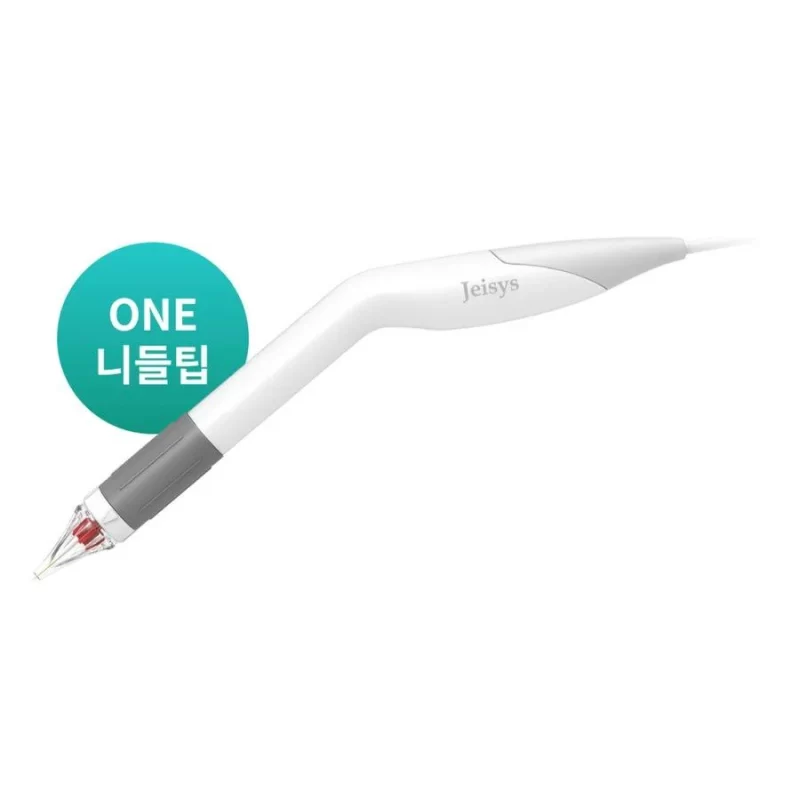
Potenza is a radiofrequency microneedling platform that uses various needle types to insert microneedles into the skin and deliver monopolar or bipolar radiofrequency at a targeted depth. Official device documentation states it offers multiple modes, frequencies, and needle types, designed for both superficial and deep treatments.
Its advantage lies in adjustable needle depth, mode, and treatment area, but this also means results depend heavily on a doctor's judgment of skin thickness, scar type, and energy settings.
What is picosecond fractional laser?
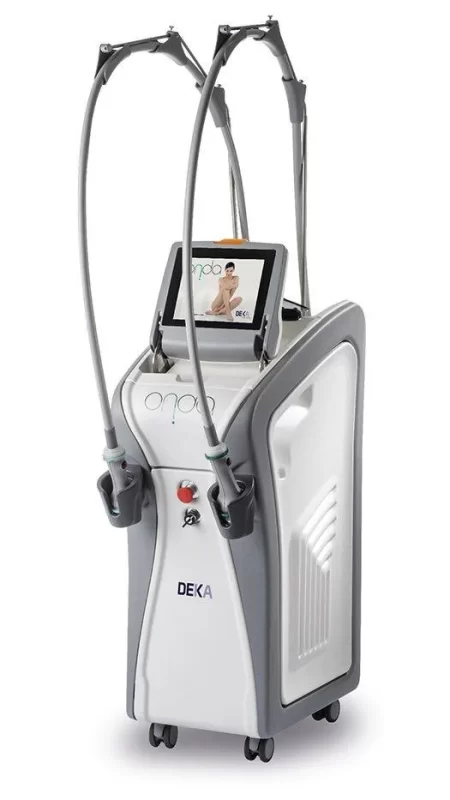
Picosecond fractional laser uses a fractional handpiece to distribute energy into tiny zones, creating fractional stimulation within the skin to promote subsequent remodeling. Unlike pure pigmentation modes, the fractional mode targets texture and dermal response.
After treatment, redness, pinpoint bleeding, crusting, or hyperpigmentation may occur. Skin tone, energy level, and sun protection all affect recovery—you cannot assume there is no downtime just because the word "picosecond" is in the name.
What role does Juvelook play in acne scar and pore treatment plans?
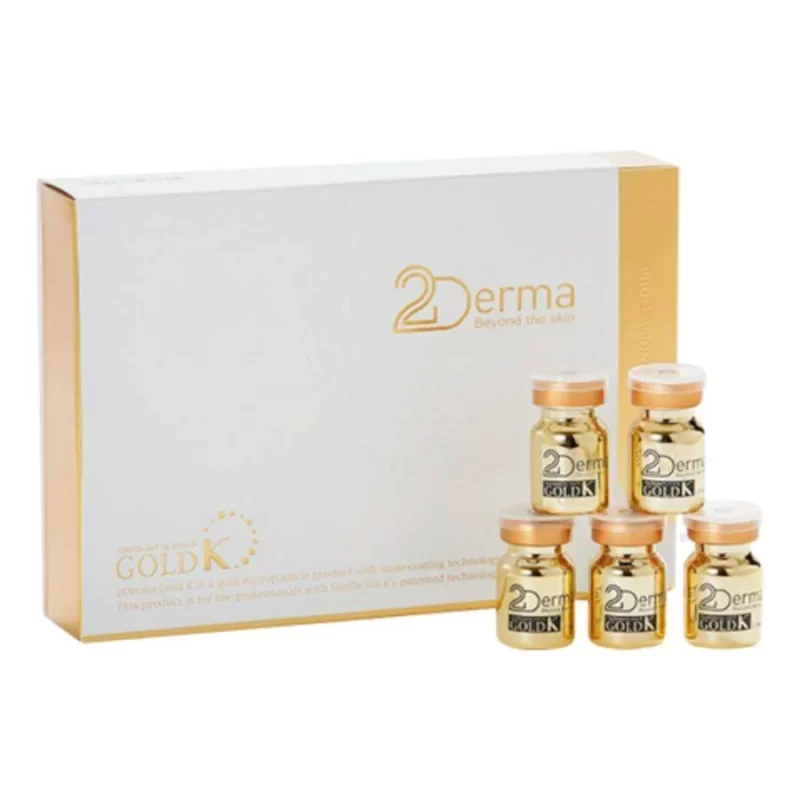
Juvelook is composed of PDLLA and HA, and is often included in collagen remodeling and skin texture management plans. It is not a regular dermal filler that fills in scars immediately, nor can it mechanically release the fibrous tethering at the base of rolling acne scars.
When used, attention should be paid to the specific product line, content per vial, reconstitution method, injection depth, and point distribution. Improper administration may increase the risk of papules, nodules, and uneven results.
How do the three treatment options compare?
| Treatment | Main method | Most commonly addressed concerns | Recovery and key risks |
|---|---|---|---|
| Potenza | Microneedles inserted into the skin deliver radiofrequency energy | Pores, skin texture, superficial to mid-depth scars, and some sebum-related issues | Redness, needle marks, crusting, hyperpigmentation; needle depth and energy levels are critical |
| Picosecond fractional laser | Stimulation via fractional picosecond energy | Texture, pores, superficial acne scars, and accompanying pigmentation | Redness, crusting, post-inflammatory hyperpigmentation; strict sun protection is required |
| Juvelook | PDLLA and HA injection, involved in collagen remodeling | Comprehensive solutions for pores, fine lines, skin texture, and acne scars | Needle marks, bruising, papules, nodules, or uneven distribution |
How to choose a treatment direction for different types of acne scars?
Ice pick type:These scars have a narrow opening and are deep. Superficial fractional treatments alone are often limited, and localized treatment should be discussed with a doctor.
Boxcar type:These have relatively clear edges and vary in depth. Fractional laser, radiofrequency microneedling, or other methods can be evaluated.
Rolling type:These have gentle edges but a pulling sensation, and fibrous adhesions may need to be addressed first.
Mixed type:Most people have multiple scar shapes at the same time, and treatment plans are usually zoned rather than using the same parameters for the entire face.
Should oily skin be controlled first, or should device-based treatment be done first for enlarged pores?
If there is still significant oil production, comedones, and inflammation, acne and sebum management should be improved first. Otherwise, new inflammation will continue to affect pores and scars after device treatment.
Sebaceous pores on the nose, elasticity-related pores on the cheeks, and scar-type pores around acne scars require different priorities. Skincare can improve some keratinization and oil production, but it cannot replace structural scar treatment.
Can these three treatments be combined?
Combination treatments can address problems from different directions, but this does not mean all are performed on the same day. A doctor may first use radiofrequency microneedling or fractional stimulation, then add Juvelook in stages; they may also start with more conservative treatment based on the risk of hyperpigmentation.
Before combining treatments, confirm the purpose, order, interval, total recovery period, and management of adverse reactions for each treatment. Doing too much at once increases the risk of inflammation and hyperpigmentation, and makes it difficult to determine which step is effective or caused a problem.
Why is hyperpigmentation a special concern for Asian skin tones?
People with darker skin tones or those who tend to develop brown acne marks in the past are more prone to post-inflammatory hyperpigmentation after being stimulated by energy, needling, and inflammation. Recent sunburn, an unstable skin barrier, and excessive energy all increase the risk.
Strict sun protection should be applied before and after treatment, unsuitable irritating skincare products should be paused, and care should be followed as directed by a doctor. If hyperpigmentation occurs, do not continuously use chemical peels or add laser treatments on your own.
What parameters should be clarified before treatment?
What are the types of acne scars and the causes of enlarged pores, respectively;
What type of needle, needle depth, and mode are used for Potenza;
What handpiece and coverage area are used for picosecond fractional laser;
Which series of Juvelook is used, the content per vial, and the number of vials used;
Whether anesthesia is needed, post-treatment care, and downtime;
The order and interval of combined treatments;
Whether the price includes consumables and VAT;
How to follow up if hyperpigmentation, infection, or nodules occur.
What related treatments does B:AID offer?
On the B:AID official website, treatments such as Potenza, picosecond fractional laser, and Juvelook are listed under the acne, scar, and pore categories. Doctors will create a treatment plan based on the type of acne scars, active acne status, and risk of hyperpigmentation.
FAQ
Is Potenza the same as regular microneedling?
No. In addition to microneedles penetrating the skin, Potenza also delivers radiofrequency energy and comes with different needle types and modes.
Can picosecond fractional laser cause acne breakouts?
The skin may experience temporary changes after treatment, but persistent inflammation requires a follow-up visit. If active acne is significant, the timing of treatment should be evaluated first.
Can Juvelook fill in deep acne scars?
There is no guarantee. Deep scars and fibrous tethering often require other structural treatments, and Juvelook may only be part of a comprehensive plan.
Which of the three treatments has the shortest recovery period?
It depends on the parameters, treatment area, combination of treatments, and individual response, and cannot be ranked solely by the treatment name.
Can pore size be reduced with just one treatment?
Some improvement may be visible, but since the causes of enlarged pores are complex, long-term results typically require sebum management, skincare, and multiple treatment sessions working together.
When is it not advisable to get acne scar treatments?
Treatment should be first evaluated or postponed if you have widespread active acne, infection, significant skin barrier damage, recent sunburn, or are unable to follow proper post-treatment care.
This article provides general information about acne scar and pore treatments and is not a substitute for a doctor's assessment of scar type, skin tone, inflammation, and medical history. Devices, needles, parameters, product dosages, and the order of combined treatments should be individualized.