Red post-acne marks, brown post-acne marks, and acne scars may all look like "marks left by acne," but they are not the same problem.Red marks are more related to blood vessel and erythema changes after inflammation; brown marks fall under post-inflammatory hyperpigmentation; and acne scars are depressed scars formed by structural damage to the skin.
Treatment must always be based on a correct classification first. Using pigment lasers for acne scars, or only doing mark-lightening procedures for still-inflamed acne, may delay addressing the core issue.
Quick summary
For flat, red or pinkish marks, first consider post-inflammatory erythema; for flat, brown or grayish-brown marks, first consider post-inflammatory hyperpigmentation; only marks that show indentations and shadows under side lighting are closer to acne scars. All three can coexist and require layered treatment.
What are red post-acne marks?
Red post-acne marks are often called post-inflammatory erythema. After acne resolves, local microvascular changes and the skin's repair process may keep the area red, pink, or purplish-red. The color may become more noticeable during exercise, in hot environments, or with emotional changes.
Red post-acne marks themselves are not depressed scars. Some may fade gradually over time, but how long they last varies depending on the severity of inflammation, skin tone, sun protection, and repeated breakouts.
What are brown post-acne marks?
Brown post-acne marks usually fall under post-inflammatory hyperpigmentation. Inflammation stimulates melanin production, and the color can range from light brown to dark brown or grayish-brown, and may darken with sun exposure.
People with darker skin tones are more prone to noticeable and longer-lasting hyperpigmentation. Sun protection, controlling new breakouts, and reducing squeezing are the basics for preventing marks from worsening.
What are acne scars?
Acne scars are atrophic acne scars, which are depressions formed after damage to the dermal structure. Common types include icepick, boxcar, and rolling scars, and different types require different treatment methods.
True acne scars will not disappear with just spot-lightening skincare products. Treatment may involve microneedling radiofrequency, fractional lasers, subcision, or other scar management methods, and usually requires staged evaluations.
How to preliminarily distinguish the three issues?
| Key points to observe | Red post-acne marks | Brown post-acne marks | Acne scars |
|---|---|---|---|
| Main color | Red, pink, purplish-red | Light brown, dark brown, grayish-brown | Skin color may be normal, or may also be red or brown at the same time |
| Surface | Usually flat | Usually flat | Has indentations, edges, or shadows |
| Appearance under side lighting | Dominated by color changes | primarily a change in color | depressions and textural changes are more noticeable |
| core treatment focus | management of blood vessels and post-inflammatory erythema | pigment control, sun protection, and inflammation management | scar structure and collagen remodeling |
Why is it important to control active breakouts first?
If papules, pustules, or nodules continue to appear, new inflammation will keep producing red marks, hyperpigmentation, and scars. Focusing only on mark-lightening or acne scar treatments at this point is like treating old problems while creating new ones at the same time.
The typical treatment order is to first control active acne, then address the remaining red marks, brown marks, and depressions in phases. Squeezing or picking at pimples increases the risk of hyperpigmentation and scarring.
What treatment options are available for red acne marks?
For persistent redness, active inflammation, rosacea, or other vascular issues must first be ruled out. Depending on the case, a doctor may discuss vascular lasers or combination treatments.
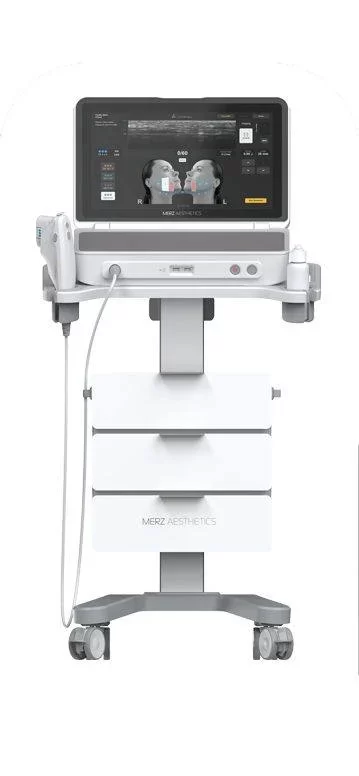
The B:AID website lists devices such as Excel V and Clarity PRO, which may be used for vascular or erythema-related concerns following a doctor's evaluation. Device wavelengths, parameters, and skin tone-related risks must be selected on an individual basis.
What treatment options are available for brown acne marks?
The foundation of managing brown acne marks is sun protection and reducing new inflammation. Depending on the depth of pigmentation, a doctor may discuss topical medications, chemical peels, Q-switched lasers, or picosecond laser treatments.
Lasers can also trigger new post-inflammatory hyperpigmentation, especially in people with darker skin tones, recent sun exposure, or a compromised skin barrier. Energy levels should never be increased simply because the pigmentation is dark.
What treatment options are available for acne scars (pitted marks)?
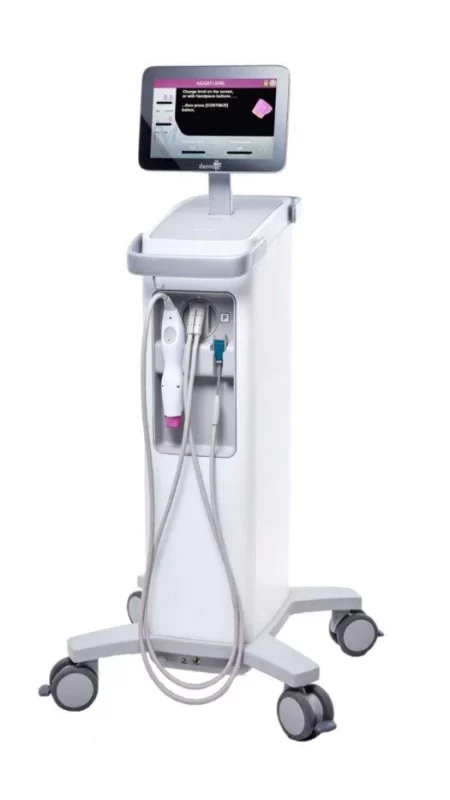
Acne scar treatment depends on the type and depth of the scars. Microneedling radiofrequency devices such as Potenza remodel the dermis through a combination of microneedling and radiofrequency; picosecond fractional lasers are used for fractional skin rejuvenation; and Juvelook may be used as part of a collagen remodeling plan.
For rolling scars with fibrous tethering, surface energy treatments alone may not be sufficient; ice pick and boxcar scars each require different treatment approaches. Plans often combine multiple modalities, but these do not necessarily need to be performed on the same day.
Can red marks, brown marks, and acne scars occur at the same time?
Yes. The surface of a pitted acne scar may also be red or show hyperpigmentation at the same time. During treatment, it is necessary to decide whether to address inflammation and discoloration first, or focus on structural repair first, as well as how much recovery time to allow between the two types of procedures.
Photos can be easily misjudged under different lighting conditions. During an in-person consultation, frontal and side-light observations along with skin analysis devices can help with assessment, but device data cannot replace a doctor's diagnosis.
In which situations should laser treatment be avoided in a hurry?
When there is still extensive active inflammation, pustules, or nodules;
When the skin is experiencing an allergic reaction, is broken, infected, or severely dry;
After recent sun exposure, sunburn, or when consistent sun protection cannot be maintained;
When there is a tendency for keloid scarring or a history of abnormal pigmentation that has not been disclosed to the doctor;
When unidentified pigmented spots or moles are mistaken for acne marks;
When stacking multiple high-energy treatments in a short period of time.
How should I document my concerns before an in-person consultation at B:AID?
It is recommended to take frontal, left and right side profile, and side-light photos in natural light. Note whether you are still getting new breakouts recently, how long the marks have been present, whether you are using chemical exfoliants or prescription medications, and what laser treatments you have had in the past.
During your consultation, you can organize your concerns into four categories: "number of new breakouts, red marks, brown marks, and indentations," so your doctor can create a treatment plan based on priority.
Frequently Asked Questions
Will red acne marks go away on their own?
Some will gradually fade, but this may take months or longer. Recurring inflammation, sun exposure, and skin sensitivity can affect the process.
Are brown acne marks the same as acne scars?
Generally no. Flat pigment changes are a form of post-inflammatory hyperpigmentation, while true scars involve structural changes to the skin.
Can picosecond laser treat both brown marks and acne scars at the same time?
Different modes and settings target different concerns, and pigment versus structural issues require separate assessment. A single treatment cannot be expected to resolve everything.
Are brightening lasers a good option for red marks?
Red marks are related to blood vessels and inflammation, so brightening or pigment lasers may not be the primary approach. The source of the discoloration should be determined first.
Can acne scars be smoothed out with a single treatment?
There is usually no guarantee. Scar type, depth, and individual skin response vary, so multiple sessions or combination treatments are often needed.
Why do acne marks get darker after treatment?
Inflammation, energy-induced irritation, and sun exposure can all trigger new hyperpigmentation. Follow up with your doctor promptly and do not layer on strong brightening products or chemical peels on your own.
This article is for general educational purposes about acne marks and scars and does not replace a dermatological diagnosis. Redness, pigmentation, active acne, and scarring may coexist. Treatment order, devices, and settings should be determined by a doctor based on your skin tone, medical history, and in-person assessment.