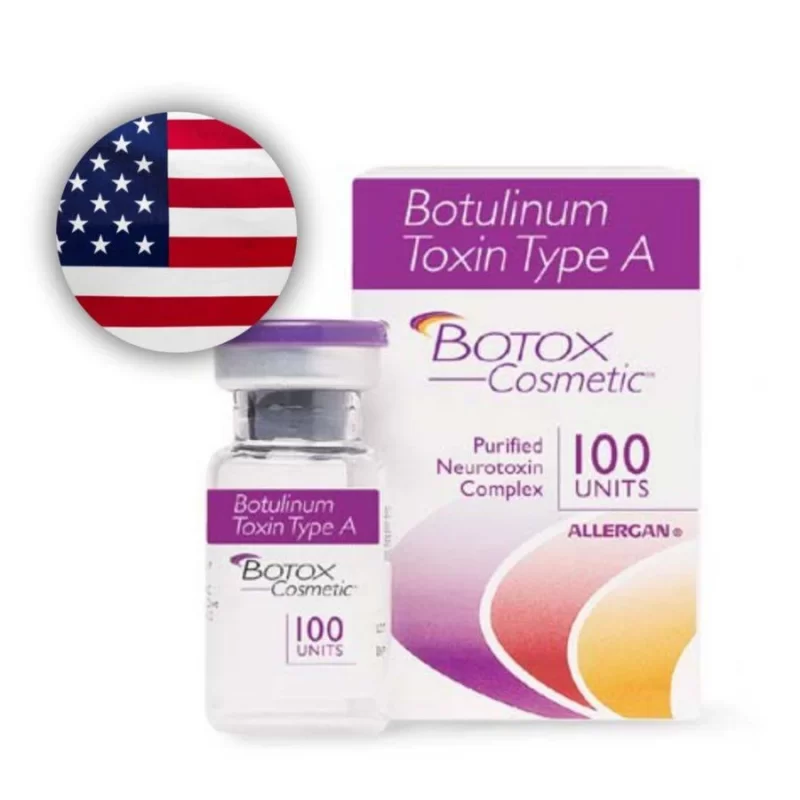
Face-slimming injections generally refer to botulinum toxin treatment targeting the masseter muscles, which mainly addresses muscle-related factors. They cannot directly reduce bone width or address all facial fat. When the lower half of the face appears wide, first determining whether the masseter muscle is the main cause is more important than immediately deciding on a brand or number of units.
What factors may cause a wide lower face?
| Possible factors | Items to distinguish during consultation |
|---|---|
| Relatively developed masseter muscles | Muscle volume and activity, left-right differences, chewing habits, and functional needs. |
| Excess subcutaneous fat | Fat distribution, tissue thickness, and whether there is accompanying sagging. |
| Bony contour | Shape of the mandible and overall proportions; muscle treatment does not directly change bone width. |
| Skin and soft tissue laxity | Contour descent or accumulation, and whether there are volume changes. |
| Sudden swelling | Dental, glandular, or other disease-related causes must be ruled out; this should not be treated as ordinary facial fullness. |
A person may have multiple contributing factors at the same time. Judging solely from frontal photos, pinching the thickness by hand, or doing a single teeth-clenching action cannot provide a complete assessment. Especially if there is sudden unilateral enlargement accompanied by pain, fever, or limited mouth opening, you should first seek medical attention to identify the cause.
If you can feel a hard lump when clenching your teeth, does that definitely mean you are a good candidate for face-slimming injections?
Normal masseter muscles also contract and harden when clenched. Being able to feel the muscle does not mean it is large enough to require treatment, nor does it mean reducing muscle volume will necessarily improve overall proportions. A doctor will also assess based on static contour, muscle activity, and skin support.
If you already have relatively thin cheeks, existing hollows, or sagging along the jawline, it is especially important to discuss whether the appearance after weakening the masseter will meet your expectations. Reducing local width is not exactly the same goal as achieving a harmonious overall facial appearance.
Why can’t face-slimming injections and fat management replace each other?
Masseter treatment aims to adjust the activity and volume of the relevant muscles, while fat management targets a different type of tissue. If the main problem is not the masseter, repeatedly increasing the botulinum toxin dose may not produce the desired changes and may increase the risk of functional or aesthetic side effects.
Similarly, if you feel your jawline is blurry, you should not automatically turn to "fat dissolving" or lifting treatments. First clarify the cause of the blurriness, then discuss whether any treatment is needed. Sometimes the reasonable choice is to observe or hold off on procedures for now.
How should I communicate if I grind my teeth or clench my jaw?
If you wake up with jaw soreness, frequently grind your teeth, have bite discomfort, or experience joint clicking, you should mention these functional symptoms separately and, if necessary, undergo evaluation by a dentist or relevant specialist. Not all pain can be attributed to overly large masseter muscles, nor should cosmetic face-slimming plans be directly used as a general treatment for teeth grinding.
Record when the soreness, teeth grinding, or jaw clenching occurs and how it affects daily eating.
Mention whether you have a habit of chewing on one side, frequently chewing gum, or habitually biting hard objects.
Bring records of previous dental treatment, botulinum toxin injections, and facial procedures.
Clarify whether your goal is contour change, or prioritizing relief from functional discomfort.
How to observe changes, and when is a follow-up visit needed?
The effect of botulinum toxin on muscle activity and the visible change in volume are not perfectly synchronized. It is not advisable to judge the final result from selfies right after the procedure. You should agree on observation checkpoints with your doctor, compare photos taken from similar angles and with similar expressions, and also pay attention to whether your eating and facial expressions remain normal.
Possible issues include weak chewing, changes in your smile, left-right asymmetry, or cheek hollows. If you experience discomfort, you should return for a follow-up visit instead of trying to "build the muscle back" on your own by repeatedly biting hard objects, or immediately getting additional doses at another clinic. Abnormal symptoms such as difficulty swallowing or breathing require immediate medical attention.
Frequently Asked Questions
Can facial slimming injections turn a square jaw caused by bone structure into a pointed chin?
No such promise can be made. Masseter treatment does not directly change the shape of the mandible.
My two sides of the face are different sizes. Can I decide on different dosages just by looking in the mirror?
No. Differences in appearance can come from multiple types of tissue, and a doctor should examine the situation and design a treatment plan.
If I stop getting injections later, will my face become bigger than it was originally?
This cannot be simply assumed. Future appearance is affected by factors such as muscle recovery, habits, body weight, and natural aging changes.
Is it better to get facial slimming injections as early as possible?
No. Whether to undergo treatment should be based on clear goals, suitability, and acceptable risks. There is no universal timing based solely on age.
When consulting about facial slimming injections at B:AID, you can first explain your expectations for your facial contour, as well as whether you have any chewing or jaw clenching symptoms. This allows the doctor to consider both your aesthetic goals and functional assessment together.