Fine lines around the eyes mainly appear as surface textures on the skin. Tear troughs involve indentations and shadows at the junction of the lower eyelid and cheek, while sagging is related to changes in the skin and its supporting tissues. All three can occur at the same time, and may also be accompanied by under-eye bags, discoloration, or puffiness. Therefore, “looking tired under the eyes” cannot be directly linked to a single type of treatment.
During an in-person consultation, the doctor will evaluate facial expressions, static appearance, and tissue structure separately.From just a single selfie, it is difficult to distinguish how much of the issue comes from fine lines, volume loss, under-eye bag shadows, or sagging.
How should you describe several common signs around the eyes?
| Sign | Clues you can share with your doctor | Cannot be directly concluded |
|---|---|---|
| Dynamic fine lines | More noticeable when smiling or squinting | Cannot automatically assume dermal fillers are needed |
| Static fine lines | Visible even when the face is at rest | Not necessarily caused only by dehydration |
| Tear troughs or sunken shadows | A groove-like transition between the lower eyelid and cheek | Not all cases are suitable for injectable fillers |
| Under-eye bags and puffiness | Localized bulging that may vary at different times of day | Not necessarily caused by skin sagging alone |
| Skin sagging | Excess skin or changes in eyelid appearance | Severity cannot be judged by age alone |
Why do “dark circles” also need to be broken down?
Darker color under the eyes may be related to pigmentation, visible blood vessels, skin thickness, sunken shadows, or under-eye bags. How noticeable they are changes with lighting — this is useful information to mention during a consultation, but it is not enough to make a self-diagnosis.
If structural shadows are mistaken for a pigment issue, treating only the pigment may miss the real target. If obvious puffiness is treated as volume loss, it may also lead to inappropriate added volume. For this reason, you should let your doctor first identify the primary cause.
What do different treatment directions address?
Depending on your situation, a doctor may discuss skincare, expression line treatments, skin texture treatments, energy-based treatments suitable for the eye area, volume adjustment, or surgical evaluation. These target different issues, cannot replace one another, and do not mean every single one is necessary.
For example, treatments for expression lines should not be expected to also remove under-eye bags. Improving skin texture is not the same as restoring lost deep volume. For prominent under-eye bags or excess skin, you should understand the limits of non-surgical treatments before deciding whether further specialist evaluation is needed.
Why do eye-area treatments require special verification of devices and materials?
The skin, blood vessels, and position of the eyeball in the eye area are unique. Just because a facial device has an eye-area-compatible configuration does not mean a regular facial treatment tip can be used directly on the eyelid. The specific treatment area, protective measures, and practitioner qualifications should all be confirmed.
If injections are involved, you should discuss risks including swelling, nodules, uneven appearance, and the rare but serious vascular-related risks. Seek medical attention immediately if you experience vision changes or unusually severe pain—do not just wait for an online reply.
What periorbital information should you tell your doctor before the consultation?
Whether you have a history of dry eyes, eye diseases, eyelid surgery, or other ophthalmic treatments.
What injection materials you have received previously, when and where they were injected, and whether you still have swelling or hard lumps.
Whether you have had recent allergies, eye rubbing, tearing, or recurring periorbital dermatitis.
Whether lines are more noticeable when making facial expressions or at rest, and whether swelling changes between morning and evening.
Which concern you hope to improve, and whether you accept the appearance recovery period and changes to your facial contours.
How can you express your goals when consulting at B:AID?
A more specific statement than "I want periorbital anti-aging treatment" is: "I'm mainly bothered by crow's feet when I smile; they're not noticeable at rest," or "I'm concerned about the shadow between my lower eyelid and cheek, but I tend to get swollen easily." This kind of information helps the doctor identify the key areas to assess.
Frequently Asked Questions
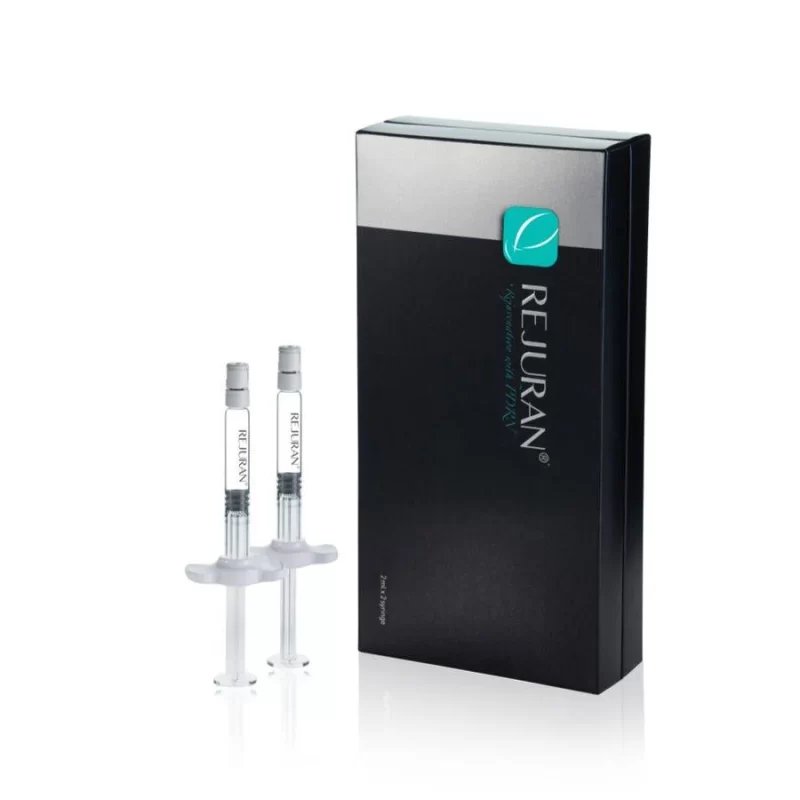
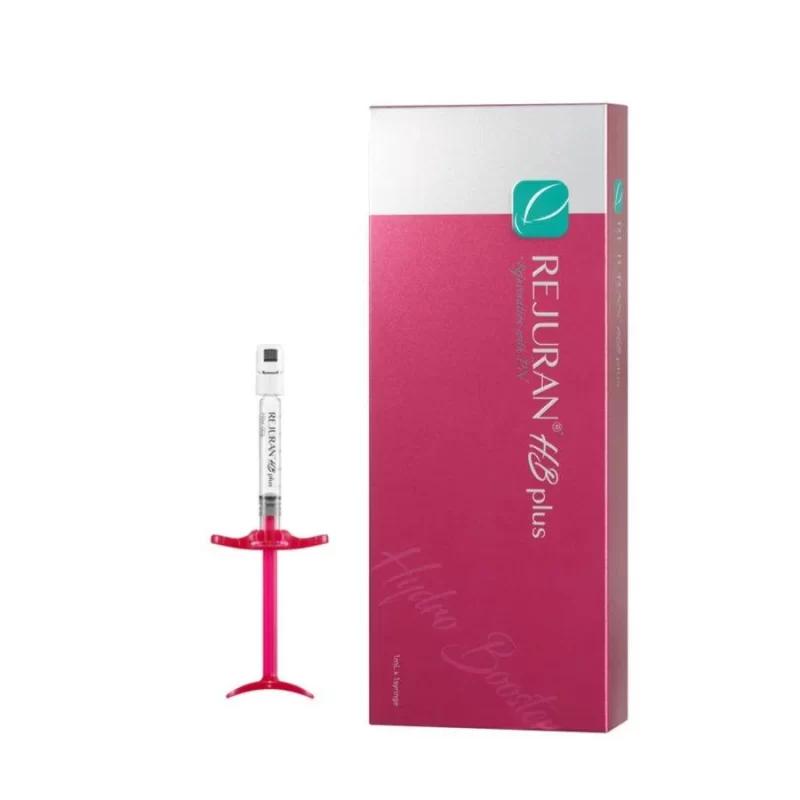
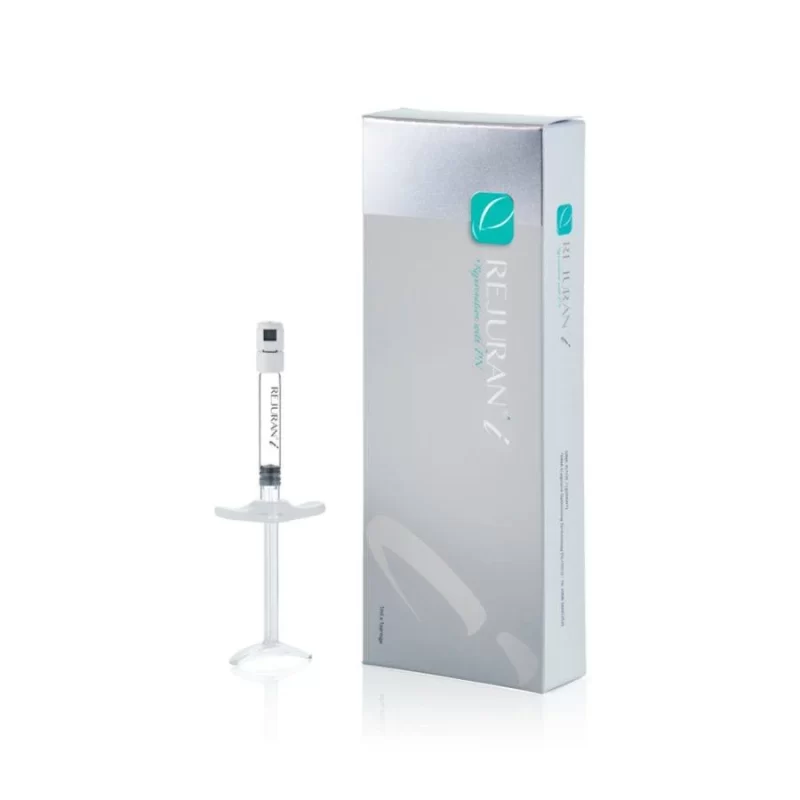
Can Rejuran I fill in all tear troughs?
That is not the right way to understand it. Periorbital skin products are not intended to address all volume or structural issues.
Is surgery always necessary if you have under-eye bags?
Not necessarily. The degree of fat protrusion, swelling, and skin laxity should be assessed first, then you can discuss whether to monitor the condition, pursue non-surgical options, or consider surgery.
Is periorbital Thermage exactly the same as facial Thermage?
The device platform may be the same, but the treatment tips, applicable areas, and eye protection requirements differ, so they need to be confirmed separately.
I want to see improvements right away—should I do multiple periorbital procedures at once?
You should not decide based only on speed. Different concerns have different treatment and observation periods. You should clarify the necessity of each procedure and the order in which they should be done.
This article is intended to help you prepare for a periorbital consultation. Specific diagnosis and treatment should be based on your eye health and an in-person examination.