There is no universal safe number of cosmetic procedures that can be done in one day in South Korea. Two procedures may need to be separated if they target the same area or involve repeated stimulation; whether treatments on different areas can be done on the same day also depends on overall physical burden, operating time, and post-procedure care.
The key to combination treatment is compatibility.The doctor must know your complete treatment plan before assessing whether each procedure is necessary, whether the order is reasonable, and whether there is enough time to monitor recovery.
Why can't the safety be judged solely by the number of procedures?
| Evaluation dimensions | Reasons that may affect scheduling |
|---|---|
| Whether it is the same treatment area | The same area of skin may face combined effects of needle pricks, thermal stimulation, or epidermal damage. |
| Depth of action | Epidermal treatments, dermal treatments, and volume adjustments have different goals but can still interact with each other. |
| Presence of open wounds or breaks in the skin | Fresh needle marks, oozing, or scabs will alter subsequent operation and care conditions. |
| Materials used | Doctors must be informed of current injectable products, previous dermal fillers, and their locations. |
| Recovery and follow-up | When multiple reactions occur at the same time, identifying the cause and managing the issue may become more complex. |
What is the difference between “done on the same day” and “mixed together”?
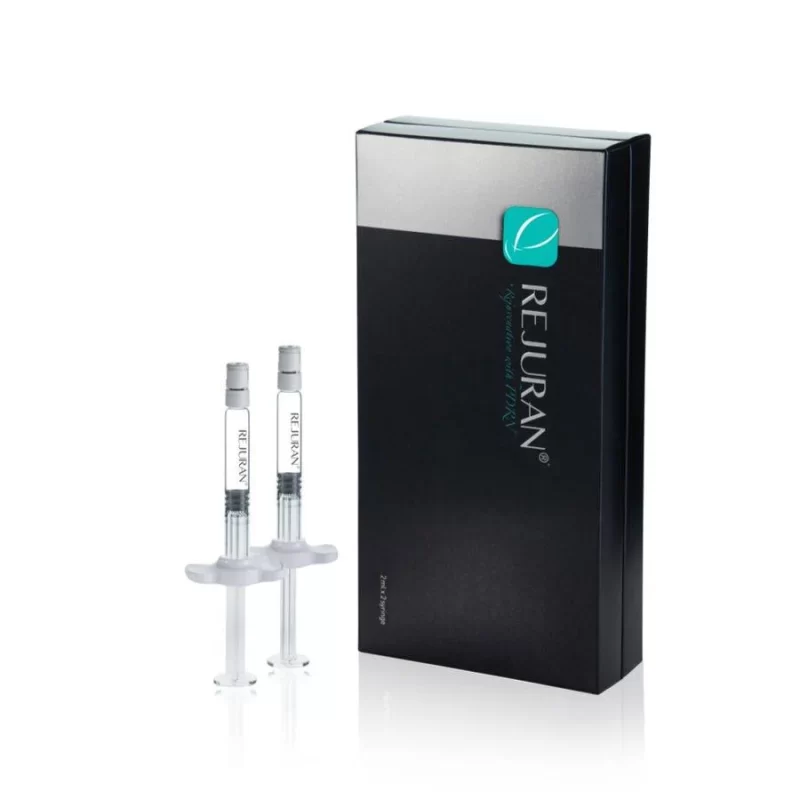
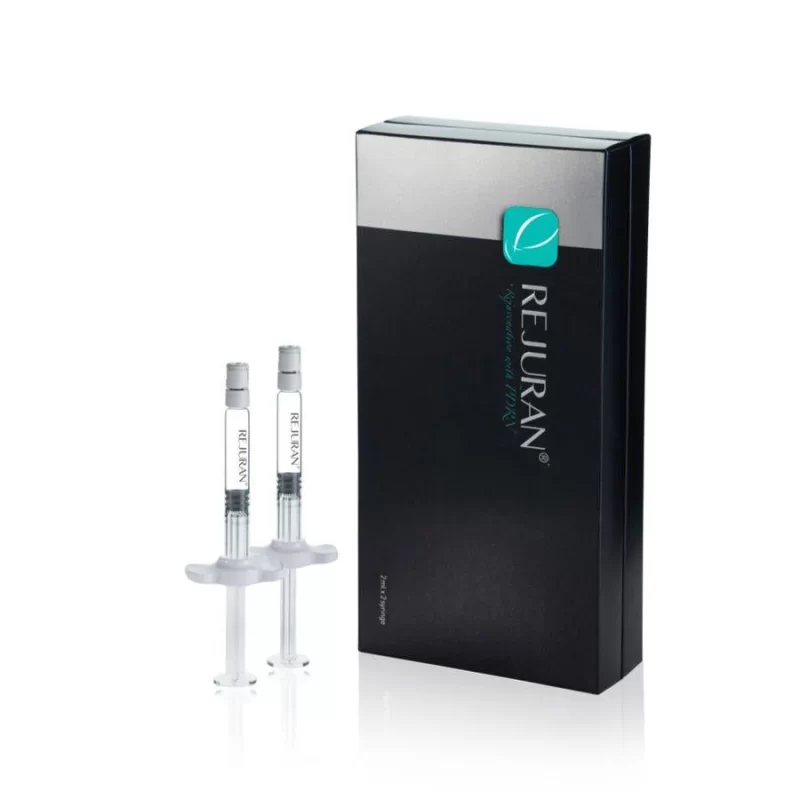
Having two treatments done separately on the same day does not mean two injectable products can be mixed, nor does it mean a product can be delivered via any device. The method of use, compatibility, aseptic conditions, and combination evidence of products must be verified individually.
When you see names like “gold microneedling with nutrient serum” or “customized cocktail aquashine,” you should confirm the specific ingredients and administration route. A device having a certain function does not prove its use with any random material has been validated.
Is the order of energy-based treatments, injections, and fillers fixed?
The general rule “energy-based treatments first, then injections” does not apply to all cases. Different energy forms, treatment intensity, injectable materials, treatment sites, and intervals between procedures all affect the decision. If you have had previous fillers or thread lifts, you also need to inform the doctor of the locations and dates.
Especially in areas with existing fillers, you cannot assume any energy-based treatment is safe just because “the product has already stabilized.” The doctor needs to refer to information on the specific device and material to decide whether to avoid the area, make adjustments, or postpone treatment.
How long should you wait before the next procedure?
The interval should be determined based on the instructions for use, the doctor’s treatment goals, and the actual skin recovery status, not just counting calendar days. When surface redness fades, it does not necessarily mean the tissue has fully recovered; if there is persistent swelling, tenderness, scabbing, or abnormal hard lumps, you should return for a follow-up first.
Record the date, location, device, or product of your last treatment.
Tell the doctor about your current redness, swelling, pain, bruising, and any broken skin.
Confirm whether the next treatment overlaps with the original area and whether it will interfere with efficacy evaluation.
Ask the doctor for specific follow-up milestones and conditions for resuming treatment, not just a date.
How to prioritize when my trip to South Korea is only a few days long?
First identify the issue you most want to address right now, then discuss whether other supplementary procedures are needed. For example, if you have both active inflammatory acne and acne scars, controlling new breakouts should be included in the plan; you shouldn’t arrange everything just to “get all procedures done in one trip.”
Also clearly state the conditions you want to maintain: you don't want obvious swelling, you need to wear makeup soon, or you don't accept changes to your facial contours. If a combined treatment plan exceeds your recovery capacity, you can discuss reducing the number of procedures, staging the treatments, or completing a consultation first.
When consulting B:AID about a combined treatment plan, we recommend asking these questions
What problem does each procedure address individually, and are there any overlapping goals?
Why is it recommended to complete them on the same day, and what are the pros and cons of doing them separately?
Which areas will overlap, and how will the impact of previous fillers or other treatments be assessed?
If the reaction after the first treatment exceeds expectations, will the subsequent procedures be adjusted?
Who will handle follow-up checks if problems occur after leaving the clinic, and how will recovery be confirmed before the next treatment?
Frequently Asked Questions
Is it definitely safe to do two low-intensity procedures on the same day?
It cannot be guaranteed. Intensity is just one factor; the treatment area, materials used, medical history, and cumulative stimulation also need to be evaluated.
Is it okay to have an energy-based treatment at one clinic in the morning and get injections at another clinic in the afternoon?
You need to first fully explain your plan to both doctors and get a targeted assessment. Having the procedures done at two separate clinics does not eliminate the interactions between the treatments.
Is combined treatment always more effective than a single procedure?
Not necessarily. A combined plan is only worth discussing when the goals are clear, the procedures complement each other, and the risks are acceptable. Adding more procedures does not equal better results.
Can a full course of treatment be compressed into just a few days?
Necessary recovery and evaluation intervals should not be compressed just to fit a travel schedule. The observation period between multiple treatments is itself part of the treatment plan.
This article is intended to help you prepare for discussions about combined treatment. The specific procedures, order, and intervals should be determined by your doctor based on your individual situation.